Girona on a Budget: The 2026 Insider's Guide to Cheap Bars & Pubs in the City Center
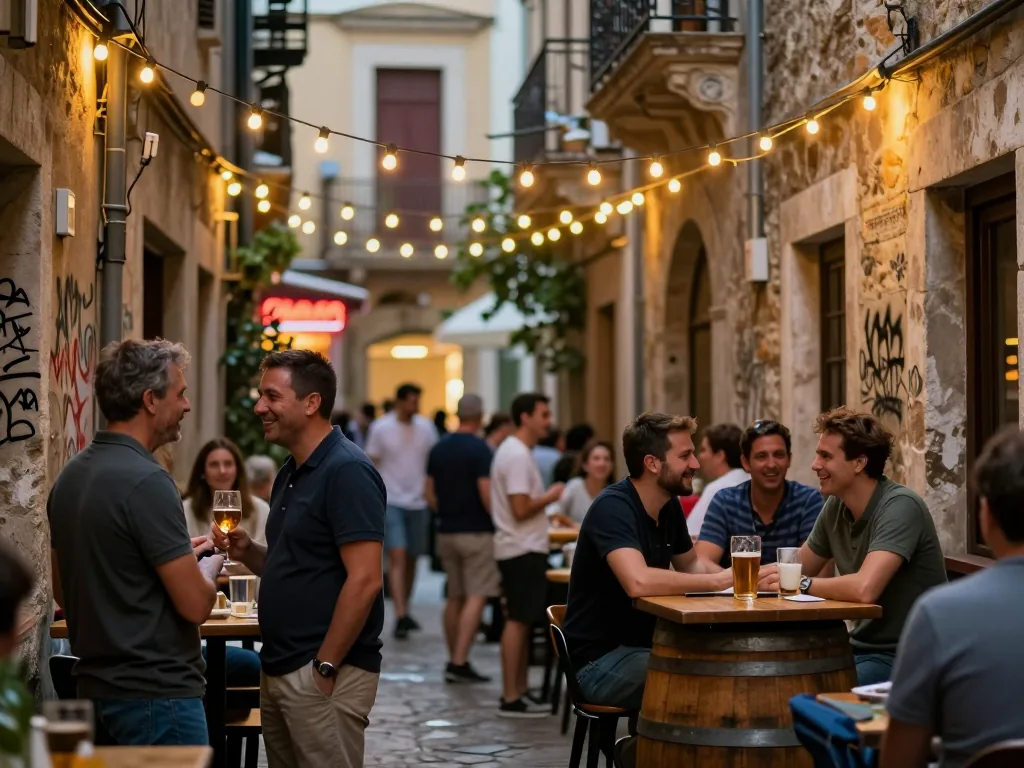
Girona’s medieval stone streets and riverside views don’t have to come with a premium price tag, especially once the sun dips below the cathedral. Trendy cocktail lounges may drain your wallet faster than a sprint up the Eiffel Bridge’s 90 steps, but a vibrant underground scene of no-frills taverns and backstreet pubs thrives right in the old town’s heart. This insider’s guide, updated for 2026, cuts through the tourist traps to reveal the city center’s best-kept secrets. Here, a €2.50 caña still arrives with a free tapa, and locals happily nurse a vermouth for an hour—no judgment. Expect centuries-old bodegas with sawdust floors, hidden craft-beer dens behind unmarked doors, and a pocket-friendly pub crawl map that proves Girona’s nightlife is as affordable as it is unforgettable.
Understanding Girona’s Budget Drinking Geography
The Core Zones Within a 15-Minute Walk
The historic center—from the Onyar River and Rambla de la Llibertat to the Barri Vell—is compact enough to cross on foot in under fifteen minutes. But if you’re after cheap drinks, you won’t need to wander aimlessly. The real budget action clusters around three micro-areas: Plaça de la Independència, Plaça de Sant Feliu, and the narrow lanes off Carrer de les Ballesteries. Plaça de la Independència is the city’s unofficial living room, ringed with bars that cater to office workers and university students alike. A caña (small draft beer) here runs from €1.80 to €2.50; a vermut with a free tapa rarely tops €3.50. Plaça de Sant Feliu, tucked behind the cathedral, is quieter but holds a few hidden gems where the same caña costs €1.50 to €2.20—especially if you sit at the counter rather than the sun-drenched terrace. Then there’s Carrer de les Ballesteries, a narrow, cobbled artery near the river where local barflies escape the tourist trail. These tiny, no-frills joints pour generous red wine from €2.00 to €3.00 a glass and often toss in a plate of olives or chips without asking.
Why the Center Is More Affordable Than It Looks
At first glance, Girona’s postcard-perfect squares look like price traps. But unlike larger Catalan cities such as Barcelona, the central bars rely on high turnover from students and locals, not tourist markups. The economics are simple: a steady stream of regulars keeps prices honest. The key is to skip the main square’s terrace seating and step one street back. On Plaça de la Independència, a table on the cobblestones might cost €4.00 for a beer, but walk twenty meters into Carrer de les Creus or Carrer de la Barca, and the same brand drops to €2.00–€2.80. The same logic applies around the Rambla de la Llibertat, where the arcaded fronts hide a warren of side alleys. By 2026, many of these backstreet bars have leaned into the “menu del dia” at lunch—offering a drink, a small dish, and a coffee for €6.00 to €8.00 total. That’s not just affordable; it’s practically a steal for a city center. Look for chalkboards advertising “cervesa + tapa” rather than glossy laminated menus—those chalkboards signal that the bar still prices for the neighborhood, not the visitor. And if you’re really watching your euros, hit the bars between 6:00 PM and 8:00 PM, when many run an “hora feliz” that shaves another 20–30% off the already-low prices. It’s a habit that keeps Girona’s center lively, local, and refreshingly unpretentious.
The Vermut Culture: Your Best Budget Ally
To drink well in Girona without emptying your wallet, you need to understand the city’s sacred ritual: the vermut. It’s more than a drink—it’s a lifestyle, a social glue, and your sharpest budgeting tool in the city center.
Day-to-Night Transitions
Girona’s central bar scene thrives on fluidity. Around the Rambla and Plaça Independència, many venues run as vermut bars from midday to early evening, roughly 1 PM to 8 PM. During those golden hours, they’re moving local wine and vermouth at volume, not pushing pricey cocktails. Slide into a busy spot at 6 PM, order a house vermouth, and you’ll get a complimentary tapa—maybe tortilla, olives, or salt-cod fritters. The trick? Stay put. Past eight, the same bar shifts into a casual drinking spot. Tapas vanish, but the affordable beer list holds. You’ve scored a cheap dinner and a cheap first round without moving an inch. Don’t hesitate to linger; that’s exactly how locals do it.
How to Order Like a Local
Half the battle is the lingo. Here’s your cheat sheet for navigating Girona’s cheap bars:
- Ask for “un vermut”—red or white—with orange twist and an olive. It’s often the cheapest drink on the menu, usually €2.50 to €4.00 per glass.
- Order “una canya”—a small draft beer—instead of a pint. At €1.80 to €2.80 per glass, it’s fresher, colder, and keeps you light on your feet for bar-hopping.
- Look for “tapa incluída” on chalkboards. Many bars throw in a snack—patatas bravas or tomato-rubbed bread—with your first drink, cutting food costs in half.
- Skip cocktails and imported spirits. A gin and tonic runs €8–€10, a week’s worth of canyas. Stick to local wine, beer, and vermouth.
- Check for a “menú de migdia” that includes a drink. Some bars offer a late-afternoon version around 4 PM for €12 to €15 per person—a full meal and wine before the cheap-drinks window even opens.
Master this rhythm, and you’ll eat and drink like royalty for the price of one round at a tourist-trap terrace.
Where to Look First: Plaça de la Independència and Surroundings
The Main Square and Its Side Streets
Plaça de la Independència is the beating heart of Girona’s nightlife, but if you’re watching your euros, don’t plant yourself here all evening. The square’s grand, porticoed edges are lined with terraces that charge a premium for the view—expect to pay from €3.50 to €4.50 per caña just for the privilege of sitting under the plane trees. Treat the square as a compass instead. The real bargains hide on the narrow streets radiating off it, particularly Carrer de la Santa Clara and Carrer de l’Albereda. These side streets are a two-minute walk from the plaza’s bustle, yet they operate on a completely different economic logic. Here, bars with worn wooden counters and no terrace at all serve the exact same Estrella Damm or Moritz from €2.20 to €2.80 per caña. You’ll also dodge the dreaded “terraza surcharge”—a 20–40% markup many central spots add automatically when you sit outside. The trick is to order at the bar, stand with the locals, and watch the square’s chaos from a doorway. A good rule: if the bar’s façade has no English menu and the football match is on a small TV in the corner, you’re in the right place.
Student-Friendly Corners
For the sharpest deals, follow the chalkboards. On weekday afternoons—typically between 6 PM and 8 PM—many bars in this district flip their blackboards to advertise “2x1” on cañas. This isn’t a tourist gimmick; it’s a student ritual. Girona’s university campus is a ten-minute walk north, and these happy hours exist to pull in the crowd before dinner. You’ll spot the signs propped on the pavement outside places like Bar L’Arcada on Carrer de la Santa Clara or the no-frills spots near the Mercat del Lleó. During these two hours, you can get two standard beers for roughly the price of one, bringing your cost down to about €2.00–€2.50 per pair. The clientele is a mix of Erasmus students and local twenty-somethings, so the atmosphere is loud, friendly, and refreshingly unpolished. If you see a chalkboard but no prices listed, just ask—“¿Hay 2x1?”—and you’ll get a nod and a smile. These bars don’t do cocktails or craft brews, but they do do cold, cheap, and reliable. Time it right, and you can drink two rounds for what you’d pay for a single terrace beer in the square. Just be aware that happy hour ends promptly at 8 PM; the chalkboard gets flipped, and prices snap back to normal. Arrive by 6:15 PM to make the most of it, and you’ll leave with both a buzz and your wallet intact.
The Barri Vell and Carrer de les Ballesteries
Narrow Streets, Big Savings
Girona’s old town hides its real magic off the main tourist drag, down crooked, lantern-lit lanes that spider from Carrer de les Ballesteries. You’ll find tiny, no-frills pubs here—décor unchanged since the 1980s, and that’s the point. Exposed stone walls, a scarred wooden counter, a chalkboard listing today’s vi de la casa at prices that make you blink. Family-run spots where the owner pours your vermut mid-conversation with a regular in Catalan. A glass of local red or a small beer runs €2.50 to €4.00; a shared plate of olives or patatas bravas costs €3.50 to €6.00. No craft cocktails, no DJ—just honest, strong pours and stools that have seen better decades. The catch? They close by midnight, often earlier on weekdays. Go around 7 or 8 PM, when evening light filters through the narrow gaps between buildings and locals crowd in for a pre-dinner tapa. Look for unmarked doorways. If it resembles someone’s living room with a beer tap, you’re in the right place.
Hidden Courtyards and Plaça de Sant Feliu
A five-minute stumble from the Ballesteries warren brings you to Plaça de Sant Feliu—smaller and far more laid-back than the sprawling Plaça de la Independència. That one’s fine, but packed with tourists paying a premium for terrace seating. Sant Feliu slips its gems into arcades and side courtyards, where outdoor chairs carry no “location tax.” A caña runs €2.00 to €3.50; a tinto de verano rarely tops €4.00. The imposing Basilica of Sant Feliu dominates the square, lending a dramatic, slightly moody backdrop. Ideal for people-watching: students, elderly couples, the odd street musician—none of the main-plaza chaos. Grab a table facing the church, order a €2.80 glass of rosé, and let the evening unwind. From here, you can ease into a quieter night—maybe a late crema catalana at a nearby café or a final drink at a tucked-away bar on the steps down to the Onyar River. This square hits the middle ground: lively enough for a night out, calm enough to hear your conversation.
Using the Mercat del Lleó as a Reference Point
Pre-Drink Snacks and Cheap First Rounds
The Mercat del Lleó is your best friend for a budget evening, though not in the way you might expect. The market itself shuts its shutters by mid-afternoon, but the perimeter streets—carrer de la Rutlla, carrer de Barca, and the small alleys hugging the modernist structure—are lined with no-frills bars surviving on the custom of fishmongers, butchers, and shoppers grabbing a quick morning coffee. By evening, these places morph into the city’s most honest pre-drink spots. Forget craft cocktails or curated playlists. What you get instead: a €1.80 to €2.50 caña (small draft beer) and a plate of olives or patatas bravas for €3 to €5 per portion. Timing is everything. These bars close early, typically between 8:00 and 9:00 PM—not a flaw, but a strategic advantage. Slide in at 7:30 PM, order a round, and snack on a torrada (grilled bread with tomato and oil) for under €4. You’re not here for ambiance; you’re here to line your stomach before the pricier squares lure you in.
The “Market Crawl” Strategy
Think of your evening as a three-stage relay, with the market as the starting pistol. This “Market Crawl” keeps you within a tight 15-minute walking radius and ensures you never pay tourist-center prices for a drink you could get cheaper two blocks away.
Start with a vermut at a bar near the market’s main entrance, then walk toward Plaça de Sant Feliu for a second round, and finish at Plaça de la Independència for the late evening. This route maximizes variety and keeps you within the 15-minute walking radius.
Stage one: Pick any bar on carrer de la Rutlla with a plastic crate of vermouth bottles visible on the counter. A vermut de grifo (on tap) costs €2.50 to €3.50 per glass, and most places throw in a free snack—often pickled anchovies or a handful of gildas (skewered olives, anchovy, and pepper). Have one, maybe two, and eat the snacks.
Stage two: Wander northeast toward the cathedral’s shadow, landing at Plaça de Sant Feliu. The bars here, like those facing the basilica, are slightly more polished but still reasonable. A standard beer runs €2.80 to €4; nurse it while watching the evening light hit the church facade.
Stage three: End at Plaça de la Independència, where the energy peaks. This is your last stop, so prices edge higher (€3.50 to €5 for a beer, €4 to €6 for a glass of wine), but you’re paying for the buzz and open-air seating. By now, you’ve had two cheap rounds, so lingering feels affordable. The crawl works because it front-loads spending where it’s cheapest, then lets you enjoy the livelier scene without sticker shock.
Practical Logistics: Transport, Zones, and Hours
Getting into Girona’s center for a bar crawl is refreshingly simple—provided you leave the car behind. The public bus network funnels directly into the heart of the action, with major stops at Plaça de la Independència and Plaça de Catalunya. From either square, you’re never more than a five-minute stroll from the densest cluster of affordable tapas and vermouth bars. Arriving from the train station (AVE or Rodalies)? It’s a straight, flat 15-minute walk down Carrer de Santa Clara, or a quick hop on the L1 or L2 bus.
But 2026 brings a significant shift for drivers. The city has fully enforced its zona de baixes emissions (low-emission zone), covering the entire old town and the Rambla. Piloting a pre-2016 diesel or pre-2006 petrol vehicle? Expect daily access fees from €2 to €5 unless you register for an exemption. Pedestrians, cyclists, and public transport users are entirely unaffected—so the budget-smart move is to park at the free lots on the outskirts (like the one near Devesa park) and walk in.
The real logistical hurdle is the return journey. Late-night buses are sparse; most lines stop running by 11:30 PM on weekdays and 1:00 AM on weekends. After that, you’re looking at a taxi from the center to the outer districts—roughly €8 to €12—or a very pleasant, safe 20-minute walk if you’re staying central.
As for hours, Girona’s bar scene operates on a predictable but strict rhythm. Most central establishments—especially the classic bodegas and craft beer taps—call last orders by 2:00 AM on weekdays and 3:00 AM on Friday and Saturday nights. That makes a 9:00 PM start almost mandatory for a relaxed three-bar crawl without rushing. Don’t be the tourist who rocks up at midnight expecting a lively crowd; you’ll find doors closing and chairs stacking.
Noise ordinances are also enforced with increasing rigor in 2026, particularly around the Cathedral and the Jewish Quarter. Outdoor terrace seating must close by 1:00 AM, and indoor music must drop to conversation level by last call. Still buzzing after that? Your only options are the handful of late-night lounges hugging the Onyar riverbanks—specifically near the Pont de Pedra. These spots stay open until 5:00 AM, but they know their monopoly: expect drink prices 30-40% higher than the early-evening bars, with simple mixed drinks running from €8 to €11 each. Plan accordingly: front-load your cheap pints before midnight, then treat the riverfront as a pricey but necessary after-party.
How to Verify a Bar Is Still Open and Licensed
Using the Official Tourism Office
Before you trust a glowing review or a faded sign, start at the Girona Tourism Office on the Rambla de la Llibertat. It’s your most reliable source for the city’s current bar scene. The staff keep an updated, printed list of every licensed bar and pub in the historic center—refreshed monthly, not annually like most online directories. Walk in, ask for the “bars i pubs” handout, and you’ll get a free photocopied sheet, usually no more than a week old. It’s plain and utilitarian, but it saves you from trekking fifteen minutes to a door sealed shut since last autumn. The office also posts recent closure notices and new-opening announcements on a corkboard—details you won’t find online. If your crawl spans more than three venues, ask staff to circle the ones still actively trading. They genuinely know, because they field complaints from tourists misled by outdated Google listings.
Quick Checks on the Ground
Even with the handout, verify as you walk. These checks take ten seconds and can prevent a wasted evening.
- Look for a visible license plate. Licensed bars in Girona must display a small blue or white metal sign near the main entrance, usually at eye level or just below the window sill. No sign? Walk away—unlicensed “pop-up” bars are rare but do surface during festival weeks.
- Check the posted “horari.” Every legitimate bar posts its hours on the door or window. A yellowed, handwritten, or outdated sheet from more than two seasons ago is a red flag. A current, printed horari signals an active owner.
- Ask a local student or shopkeeper. The University of Girona’s main campus sits a five-minute walk from the cathedral. Students know which bars changed owners, which are temporarily closed for renovation, and which were shut down over noise complaints. A quick question at any tobacconist or fruit shop gets a straight answer—locals are proud of their bar culture and won’t steer you wrong.
- Use the tourism office’s printed map, not just online reviews. Many tiny, excellent bars in the Jewish Quarter lack a Facebook page or fresh Instagram posts; their only digital footprint is a three-year-old review. The printed map includes hand-corrected pen notes marking recent closures and new spots. Trust that paper over an app any day.
Advanced Tips for the Budget-Conscious Regular
Building a Personal Bar Rotation
Once you’ve scouted the main strip, resist the urge to flit between new spots every night. In Girona, the real savings come from loyalty, not novelty. Build a shortlist of three or four bars that genuinely match your mood, and you’ll stop wasting both euros and energy on places that don’t fit. Start with a quiet vermuteria—somewhere like the tucked-away corners near the Rambla, where a glass of house vermut with a single olive and a potato chip still costs from €2.50 to €3.50 per serving. Next, lock in a lively evening bar. Think of the packed, standing-room-only places around Plaça del Vi, where a caña (small draft beer) runs from €1.80 to €2.50, and the noise is part of the charm. Finally, choose a late-night chat spot—often a dimly lit, slightly scruffy bar near the river or the old city walls, where the same caña stays at €2.00 even after midnight. With these three in place, you’ll never walk into an overpriced tourist trap again, because you’ll know exactly where to go for each occasion. This rotation also means the bartenders get to know you, which in Girona often translates to a free tapa or an extra pour on your third round.
Timing Your Visits for Maximum Value
Girona’s bar scene runs on a rhythm that, once learned, saves you serious money. The golden windows aren’t arbitrary—they’re when bars offer their best deals to fill seats before the crowds. Arrive between 6 and 8 PM for happy-hour cañas, when many places drop the price to from €1.50 to €2.00 per glass, often with a small bowl of olives or nuts thrown in. From 8 to 9 PM, shift to vermut with tapas; this is when the classic “vermut de grif” is cheapest, and many bars offer a free tapa (a slice of tortilla, a croquette, or a small plate of boquerones) with every drink, making a full snack for from €3.00 to €4.50 total. Then, from 10 PM to midnight, the atmosphere peaks—live music or a buzzing terrace—but prices haven’t yet jumped. That’s the sweet spot for socialising without the late-night markup. Avoid Friday and Saturday after 1 AM at all costs; that’s when surcharges kick in (from €0.50 to €1.00 extra per drink) and the crowds make it impossible to move, let alone get served quickly. Time your nights around these windows, and you’ll drink better, eat more, and never pay the “night owl penalty.”
Conclusion
Girona’s city center proves a great night out doesn’t have to drain your wallet. From the €2.50 cañas in hidden plazas to the lively, no-frills taverns along Carrer de la Cort Reial, the best experiences happen where locals gather—not on tourist-trap terraces. The takeaway is simple: bar-hop during happy hour, typically 18:00–20:00. Order the house vermut or a tapa with your drink. And always check for the daily “menú de noche” deals many pubs offer after 22:00. Your next move? Grab a map of the Barri Vell, start at Plaça del Vi, and work your way down to the river. Use this guide as your cheat sheet for the cheapest pours without sacrificing atmosphere. Follow these insider tips, and you’ll leave Girona with a full stomach and a full wallet—ready to toast your smart budgeting.
Frequently Asked Questions
What is the best way to find genuinely cheap bars in Girona city center in 2026?
Look for bars on side streets off the main Rambla and Plaça Independència, where tourist markups are lower. Also, check local social media groups or apps like Too Good To Go, which now lists drink deals at several city-center spots. Avoid any place with a doorman or table service on the main squares.
Are there any traditional 'menú del día' deals at bars that double as cheap pubs?
Yes, many old-school bars near the Cathedral and Sant Feliu offer a lunchtime menú with a drink included for under the average city price, but you must order before 15:00. In 2026, several of these spots have extended the deal to include a local craft beer or vermouth instead of just wine. Always confirm the current menu price at the bar, as it changes seasonally.
Which neighborhoods in the city center have the highest concentration of cheap drinking spots?
The Barri Vell (old town) around Plaça del Vi and the narrow streets near the River Onyar have the most budget bars, but they fill up fast. The Mercadal district, just across the river, is slightly less touristy and offers better prices for the same quality. In 2026, the area around the new co-working hub near Plaça de Sant Pere has also become a hidden gem for affordable pints.
Do cheap bars in Girona city center offer any happy hours or discount days in 2026?
Yes, happy hours are now common from 17:00 to 19:00 on weekdays, but they rarely apply to weekends. Many bars have a 'Tapa Tuesday' or 'Pintxo Thursday' where a drink plus a small snack costs the same as a drink alone. However, these promotions are not advertised online; you need to check the chalkboards outside each bar.
Are there any student-oriented cheap bars near the University of Girona's city center campus?
Absolutely, the area around Plaça de la Llibertat and Carrer de la Cort Reial has several bars that cater to students, offering loyalty cards or group discounts. In 2026, these bars have shifted to a 'bring your own bottle' policy for spirits, but they sell cheap mixers and ice. They also host weekly pub quizzes that include a free drink for the winning team.
What is the typical price range for a draft beer at a cheap bar in the city center in 2026?
Prices have stabilized after the 2024 inflation spike, so a standard 33cl draft beer now ranges from the low to mid-single digits in euros, depending on the bar and location. Bars on the main squares charge almost double what you'd pay two streets away. For the best value, order a 'canya' (small draft) rather than a large one, as the price per liter is lower.
Are there any cheap rooftop or terrace bars in Girona city center that don't overcharge?
Yes, a few hidden terraces above shops on Carrer de l'Argenteria and Carrer de la Força offer city views without the premium prices of the big hotel rooftops. These are often family-run, and in 2026 they have started offering a 'sunset hour' from 18:00 to 20:00 with a 2-for-1 on local wines. Be aware that they only serve small snacks, not full meals.
How can I avoid getting overcharged at bars near the main tourist attractions like the Cathedral?
Always ask for the price before ordering, and check if there's a cover charge or service fee added to your bill. In 2026, new city regulations require all bars to display a price list outside, but some still 'forget' to update it. If a bar has a separate 'tourist menu' or 'premium zone' seating, walk away and find a place without those labels.
Are there any cheap bars in Girona city center that also serve food late at night (after 22:00)?
Yes, several traditional bodegas near Plaça de Sant Feliu serve montaditos and empanadas until midnight at low prices. In 2026, a few of these have extended their kitchen hours to 01:00 on Fridays and Saturdays, but they only serve a limited 'late-night snack' menu. Expect to pay a small supplement for table service after 23:00, so order at the bar if you want to save.
What's the best strategy for bar-hopping cheaply in Girona city center in 2026?
Start with a 'ruta de vermut' in the morning (many bars offer a free tapa with a vermouth), then move to the student area for afternoon beers. For the evening, follow the locals to the bars on Carrer de les Ballesteries, where you can get a 'cubata' (mixed drink) at a fair price. Always carry cash, as many cheap bars give a small discount for cash payments, and avoid ordering cocktails—they're the biggest rip-off.