Sip Above the Stone: Girona’s Best Rooftop Bars in the Old Town
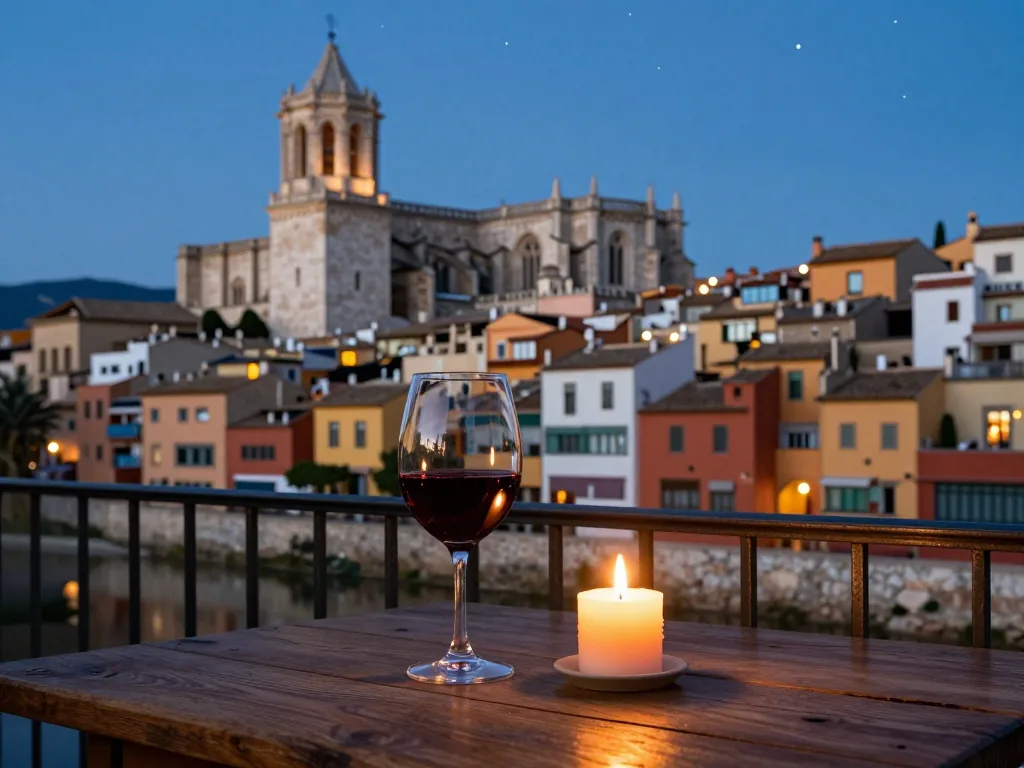
Girona’s Old Town is a medieval labyrinth of stone arches, cathedral steps, and narrow alleys that whisper centuries of history—but the best way to truly see it is from above. As the sun dips behind the Onyar River’s colorful facades, the rooftops become intimate stages for golden-hour drinks and panoramic views. This guide cuts through the maze to hand-pick the finest rooftop bars in the Old Town, steering you clear of tourist traps and hidden dead ends. Crave a chic cocktail beside ancient towers? Or a quiet vermouth overlooking the basilica? You’ll find the perfect perch for every mood and budget.
Understanding Girona’s Old Town Rooftop Scene
What Makes These Rooftops Unique
The rooftop bars of Girona’s Barri Vell aren’t perched atop glassy towers or steel-framed skyscrapers. They crown medieval and early modern structures, some standing for over five centuries. That’s precisely their allure. From these elevated terraces, you gain a rare, uninterrupted perspective of the Onyar River snaking below, its famous pastel-hued houses reflecting in the water, while the Cathedral’s formidable Baroque facade rises directly ahead. Look slightly east, and the stout, stone bell tower of the Sant Feliu church punctuates the skyline. But the true magic lies in the immediate foreground: a dense, chaotic patchwork of red-tiled roofs, punctuated by the occasional Gothic arch or Romanesque window, and the shadowy, narrow alleys crisscrossing the old town far beneath your feet. On a crystal-clear day—especially in autumn or early spring—the jagged silhouette of the Pyrenees appears on the northern horizon, dusted with snow, framing the entire scene like a postcard come to life. There’s no distant downtown grid or corporate glow. Instead, you’re suspended directly within a living, layered history, where every sip comes with a visual timeline of Roman, Jewish, and medieval influences.
Who These Bars Are For
These rooftop venues are refreshingly democratic. Many are attached to boutique hotels, yet nearly all open their doors to the general public, not just overnight guests. The atmosphere skews from relaxed and bohemian to quietly upscale, but rarely pretentious. You’ll find a genuine mix: travelers with cameras poised for golden-hour shots, couples leaning into the warm evening breeze for date-night conversations, and a steady stream of locals slipping away from the office for a well-earned vermouth or a glass of local Empordà wine. Don’t come expecting high-volume DJ sets or raucous partying. The vibe here is deliberately more subdued, prioritizing conversation and scenery over sheer noise. It’s a contemplative drinking experience, where the gentle clink of glasses and the distant hum of the city below are the primary soundtrack. Expect to pay a slight premium for the view—a standard cocktail or glass of wine typically ranges from €8 to €15 per drink, with a small tapas plate running from €6 to €12—but the setting justifies every cent. This is a place to linger, to watch the light shift across the stone, and to appreciate that in Girona, the best seat in the house is always the one above the rooftops.
Finding Rooftop Bars in the Old Town
The Old Town of Girona is a medieval labyrinth, and that’s precisely its charm—and its challenge. The streets are almost entirely car-free, a tangle of narrow cobblestone lanes that climb, twist, and occasionally dead-end without warning. For first-timers, the disorientation is real, but the search for a rooftop is part of the experience. Here’s how to navigate it without frustration.
Navigating the Pedestrian Streets
Forget the grid. The Old Town is organized around two natural landmarks: the Onyar River and the cathedral’s towering Gothic facade. Most of the city’s best rooftop bars are tucked within a five-to-ten-minute walk from either the Cathedral or Plaça de la Independència, the lively square on the river’s edge. If you get turned around, look up—literally. The cathedral’s bell tower and the red-tiled rooftops of the houses along the river are your compass. When you emerge onto a small plaza, pause and listen for the clink of glasses or the low hum of conversation drifting from above. That’s your signal. Street-level signage is often discreet: a small brass plaque, a chalkboard easel, or a simple wooden arrow pointing up a narrow alley. Don’t expect neon; the charm is in the discovery.
Access Points and Entrances
Once you’ve identified a promising spot, the entrance can be surprisingly unobtrusive. Some rooftops are reached through a hotel’s main lobby—you’ll walk past the reception desk as if you belong there, and you do. Others have a separate, clearly marked street-level door, often a heavy iron or oak door that looks like it leads to a private residence. Look for a small sign, a stairwell indicator, or a host stationed by the entrance who will greet you and wave you up. In nearly every case, the final ascent is part of the ritual: a narrow elevator that fits two people and a stroller, or a tight spiral staircase worn smooth by centuries of footsteps. This is where the Old Town’s history meets its nightlife. Do note, however, that these access routes are not always wheelchair-accessible, and the staircases can be steep and uneven. If you have mobility concerns, call ahead—many venues will happily escort you via a service lift or suggest a ground-floor alternative. Once you’re up, though, the effort dissolves into the view: the cathedral’s stone buttresses, the salmon-pink facades along the river, and the Pyrenees hazy on the horizon. Expect to pay a premium for this perch—rooftop drinks in this area generally run from €8 to €14 per cocktail, and a glass of local wine from €5 to €9. The prices reflect the setting, but the setting is worth it.
Best Times to Visit and Seasonal Considerations
Peak Season and Weather
Girona’s Old Town rooftop scene lives and breathes by the Mediterranean climate. The true terrace season runs from late spring into early autumn, roughly May through September, when the city sheds winter’s damp chill and settles into its hot, dry rhythm. Evening drinks become less a luxury and more a necessity. From June to September, expect long, warm nights with the sun lingering over the stone rooftops until nearly 10 PM. You can watch the amber light wash over the Cathedral and the Onyar River without reaching for a jacket. The air stays crisp, the humidity low. A northern tramontana wind might offer a refreshing breeze—or send napkins flying off higher terraces, so keep a firm grip on your vermouth.
Late September holds a particular kind of magic. July’s and August’s intense heat has softened, the crowds have thinned, and the golden hour casts a richer, honeyed glow across ancient facades. Photographers and romantics alike will find their sweet spot here. Winter tells a quieter story. From November to March, most open-air rooftops shut down entirely. Yet a few Old Town hotels and bars keep their terraces alive with patio heaters, warm throws, or fully glazed enclosures. If you’re visiting off-season, seek out the Hotel Nord 1901 or the rooftop at the Palau dels Alemanys. They often retain a cozy, wind-protected corner where you can sip a gin and tonic while the snow-dusted Pyrenees line the horizon.
Sunset and Evening Timing
Timing shapes everything on Girona’s rooftops. Arrive 30 to 45 minutes before sunset—around 7:30 PM in high summer, closer to 6:30 PM in late September. This buffer is non-negotiable if you want a prime railing spot, especially at coveted terraces like the one atop the Mercat del Lleó or the elegant rooftop of the Cathedral’s adjacent boutique hotel. As the sun dips, the sandstone walls of the Cathedral and the basilica of Sant Feliu glow a deep ochre. On crystal-clear evenings, the jagged silhouette of the Pyrenees forms a dramatic, snow-capped backdrop to the north. The spectacle rewards patience.
One caveat: Girona isn’t a late-night party town when it comes to elevated drinking. Strict local noise regulations protect the Old Town’s residential fabric, so most rooftop bars close by midnight or 1 AM at the latest. Structure your evening as an early-to-mid affair. Arrive for a sunset cocktail around 8 PM, enjoy a leisurely second round as the stars emerge, then head down to street level for dinner or a late-night bar in the Jewish Quarter. Showing up at 11:30 PM expecting a lively rooftop scene will likely leave you facing a locked gate. Embrace the early-bird rhythm, and you’ll catch the Old Town at its most magical—bathed in fading light, wrapped in the scent of jasmine from the gardens below.
Choosing the Right Rooftop for Your Mood
Relaxed and Casual Options
For a laid-back afternoon or early evening, check out the terraces tucked above hostels and smaller historic buildings along Carrer de la Força or the winding alleys near the Cathedral. These rooftops aren’t about spectacle—they’re about atmosphere. Expect mismatched lounge seating, a few potted olive trees, and a drink menu heavy on local wines, vermouth, and simple gin-and-tonics. The crowd mixes backpackers, remote workers, and locals who know the best sunset spot often has no velvet rope. Show up in shorts and sandals after hiking the Sant Miquel stairs, grab a €4 to €6 glass of house red, and sprawl across a worn sofa for hours. These terraces rarely take reservations, so early birds win—arrive around 5:30 PM to claim a corner spot with a sliver view of the Pyrenees over the roofline. Because they sit atop smaller buildings, the views feel more intimate: terracotta tiles, laundry lines, and the occasional glimpse of the Onyar River below. Service is unhurried, sometimes to a fault, but that’s part of the charm. You’re here to watch the light shift across the stone, not to check your watch.
Upscale and Smart Casual Venues
Prefer something more polished? Head to the rooftops atop Girona’s boutique hotels, especially those near the Rambla or the Passeig Arqueològic. These venues trade rustic charm for refined comfort. Expect a smart casual dress code—collared shirts, sundresses, and closed-toe shoes are safe bets—and table service that anticipates your next order. The cocktail list is curated, not accidental, with names like “The Jewish Quarter Sour” or a saffron-infused martini nodding to the city’s culinary scene. Prices reflect the upgrade: €9 to €14 per cocktail, €5 to €8 for a glass of cava. The glassware is proper crystal, the ice is clear, and the bar snacks are elevated—jamón ibérico or truffled olives instead of a bowl of chips. The payoff for the higher spend is a more expansive view. Many of these rooftops sit on the old town’s highest edges, offering panoramic sweeps over the Cathedral’s baroque façade and the green valleys beyond. Reserve ahead for golden hour, especially on weekends, and dress slightly better than you think you need to. You’re not just buying a drink here—you’re buying a front-row seat to Girona’s skyline, served with a side of quiet sophistication.
What to Expect in Terms of Service and Rules
Reservations and Group Policies
Most of Girona’s old-town rooftop bars operate on a refreshingly casual walk-in basis, especially during weekday afternoons when the terrace is half-empty and the cathedral bells are the loudest thing around. Arriving as a group of six or more? Book ahead—particularly for Friday and Saturday evenings, when the narrow stone streets below funnel a steady stream of visitors upward. A handful of the more polished hotel rooftops, such as those above boutique stays near the Rambla or the Basilica of Sant Feliu, require a reservation if you want a specific table with a railing view of the Onyar River or the cathedral’s west facade. Before committing, ask whether the venue enforces a minimum spend per person—common at upscale spots, typically €15 to €25 for drinks-only bookings—or a time limit on your table, usually 90 minutes to two hours during golden hour. Some rooftops hold back a few prime-edge seats for walk-ins, but these vanish quickly; arriving by 6:30 p.m. in summer is your best bet.
Dress Codes and Behavior
You won’t need a jacket and tie, but smart casual is the unspoken rule at most hotel-affiliated rooftops in the old town. Think clean linen shirts, tailored shorts for men, sundresses or elegant blouses for women, and closed-toe shoes if you’re dining. Avoid beachwear, athletic gear, flip-flops, or heavily ripped denim—these will likely earn you a polite but firm refusal at the door of the more upscale venues. The tone shifts slightly at independent bars tucked into medieval attics, where well-worn jeans and a simple t-shirt are perfectly acceptable. Even there, though, leave the gym shorts at home.
Behavior matters more than attire. The old town is a labyrinth of residential apartments, many with windows opening directly onto the terraces, so noise travels quickly. Keep conversations at a moderate volume, and don’t shout across the table to admire the view. Staff will also ask you to remain seated or behind marked lines near the edges—these rules are non-negotiable, as the stone parapets are centuries old and not built for leaning. Standing for a photo? Step away from the railing, and never climb onto any ledge or planter. Finally, be courteous with your camera flash; other guests are there for the ambience, not a paparazzi moment. Following these simple guidelines ensures everyone—residents, staff, and fellow visitors—gets to enjoy Girona’s skyline without friction.
Drink and Food Offerings
Typical Drink Menus
Climb the narrow stone staircases of Girona’s Old Town, and the reward is a drink list that leans proudly local. Most rooftop bars anchor their menus with Empordà wines—a robust red from the DO Empordà region, often a Grenache or Carignan blend, served by the glass for around €4 to €7. Catalan cava is another staple, poured either as a crisp brut nature or mixed into a refreshing tinto de verano with a twist of lemon. Vermouth is having a serious moment here; expect a house red or white vermouth served over ice with an orange slice and a green olive, typically costing €5 to €8. Gin and tonics are treated as a ritual, with a selection of local gins (try one infused with herbs from the Pyrenees) paired with premium tonics and botanicals, priced from €9 to €14. Craft beer lovers will find a rotating tap or two from Girona’s own microbreweries, like La Déu or Moska, at €4 to €6 per pint. Classic cocktails—a solid Negroni or a simple Aperol Spritz—are available everywhere, but the real charm is asking for a Pallarols (a local vermouth brand) on the rocks. Non-alcoholic options are thoughtfully handled too: fresh-squeezed orange juice, house-made lemonade, or sparkling water with a splash of local mint syrup, all in the €3 to €5 range.
Small Plates and Tapas
Rooftop kitchens in the Old Town are rarely full-scale restaurants, so think of the food as a supporting actor to the view. Most terraces offer a compact menu of Catalan classics: a bowl of marinated olives (€3 to €5), crispy patatas bravas with a smoky aioli and spicy tomato sauce (€6 to €9), or a generous cheese board featuring local mató and aged sheep’s milk cheese with honey and walnuts (€10 to €15). Jamón ibérico is a near-universal offering, served in thin, glistening slices with crusty bread and tomato rub for €8 to €12 per plate. Some spots go a step further with esqueixada (a salt cod and tomato salad) or a small portion of fuet sausage. The key is to treat these as accompaniments—perfect for nibbling while the sun drops behind the cathedral. If you arrive genuinely hungry, your best bet is to eat at street level first, where the tapas bars are plentiful and hearty, then head up for drinks and a light bite. Rooftop kitchens often close by 10 p.m., and many have limited prep space, so don’t expect a full dinner. A practical tip: order your tapas early in the evening, around 7 to 8 p.m., when the kitchen is freshest, and pair each plate with a glass of the house vermouth or a chilled cava for the quintessential Girona experience.
Practical Tips for a Smooth Visit
Navigating Crowds and Peak Hours
The old town’s rooftops are intimate by design, so they fill up quickly. Weekend evenings see the biggest crowds, particularly during Girona’s summer festivals like Temps de Flors in May, or on holiday weekends when visitors pour in from Barcelona and the Costa Brava. To hear the cathedral bells instead of chatter, go on a weekday or stop by for an early afternoon aperitif. Most terraces open by 1 PM, leaving you plenty of seats before the 6 PM rush. Another trick: check the forecast. Clear, blue-sky days pull everyone out, but a slightly overcast evening—still warm, just not dazzling—often leaves the best corner tables free. You’ll trade a perfect sunset photo for elbow room and unhurried service, a fair bargain in high season. Many rooftop bars don’t take reservations for small groups, so arriving within the first hour of opening is your safest bet. If you’re set on a specific spot, like the plunge-pool view at Hotel Nord or the Romanesque tower at Casa Marieta, call ahead on the day itself to ask about wait times—they’ll usually give you an honest estimate.
Accessibility and Comfort
Here’s the catch with Girona’s charm: most rooftops sit atop centuries-old buildings, and elevators are rare. Expect narrow, winding staircases—sometimes two or three flights—to reach the terrace. If you have mobility concerns or are travelling with heavy bags, check with the bar beforehand. A few have ground-level alternatives or can offer assistance, but don’t count on it. Once you’re up there, the stone walls and open air create a microclimate that cools quickly after sunset, even in July. Bring a light jacket or pashmina; locals do, and you’ll see them draped over chair backs by 9 PM. Footwear matters too: the approach involves uneven cobblestones and occasional steps, so wear sturdy sandals or trainers for the walk, then switch to smarter shoes once seated. Most terraces are casual enough that you won’t look out of place. For drinks, expect a standard rooftop markup: a glass of local wine or a gin and tonic runs €7 to €12, while a small sharing plate—olives, Iberian ham, or a croquette selection—ranges €6 to €15. Prices stay consistent across the old town’s top-tier spots, so choose based on view and vibe rather than cost. You’re paying for the elevation, and it’s worth it.
Etiquette and Local Regulations
Noise and Closing Times
Girona’s Old Town is a living, breathing neighborhood, not a purpose-built entertainment district. Those medieval walls that make the views so spectacular also amplify sound, carrying laughter and clinking glasses straight into the stone apartments below. So virtually every rooftop bar operates under a strict curfew. Respect the 12 AM–1 AM closing times—these are enforced as a municipal condition of their licenses, not a suggestion. When staff makes the final call, they’re protecting their business as much as residents’ sleep. Don’t linger after last call hoping for one more moment under the stars. Instead, order your final drink with plenty of time to savor it, and be ready to descend the narrow staircases promptly when the lights come up.
Keep conversations at a reasonable volume. The intimate scale of these terraces means you’re never more than a few meters from a neighboring apartment’s open window. A boisterous group can easily ruin the tranquil atmosphere for everyone else. Enjoy the panoramic view of the Cathedral or the Eiffel-designed bridge without blocking walkways or leaning over railings. The stone parapets are ancient and uneven; leaning can be dangerous, and crowding a prime photo spot is a surefire way to sour the mood.
Photography and Respect for Space
Taking photos is encouraged—you’ll want to capture the honey-hued rooftops and the Pyrenees in the distance. But avoid using flash near other guests, and never capture people without their explicit permission. A candid shot of a couple’s romantic dinner is an invasion of privacy, not a souvenir. Be especially mindful of private hotel areas adjacent to the terrace. Many rooftops sit atop active guest rooms, with rooflines that share walls. If a venue has a “no photos” policy for certain corners, follow it without question—some terraces overlook private courtyards where residents are relaxing in their own space. A discreet, respectful approach to photography will leave you with stunning images and a clear conscience, and it keeps these delicate spaces welcoming for everyone who follows.
Conclusion
Girona’s Old Town isn’t just a place to see—it’s a place to rise above. Every rooftop bar turns centuries of stone into a front-row seat for golden hour. Sip vermouth by the Cathedral, or a craft cocktail over the Onyar; the real magic lies in the contrast: ancient walls, modern glasses, and the hum of the city below. So next time you’re in Girona, skip the street-level café for one evening. Climb those narrow stairs, claim a terrace, and let the skyline rewrite your itinerary. Your only homework? Pick a sunset, pick a view, and order something cold before the bells toll.
Frequently Asked Questions
What makes the rooftop bars in Girona Old Town special?
They offer panoramic views over the medieval skyline, including the Cathedral, the Onyar River houses, and the city walls. Unlike larger cities, these rooftops are often tucked into historic buildings, giving you a close-up view of Romanesque and Gothic architecture. The compact size of the Old Town means you can see the whole historic core from most terraces.
Are the rooftop bars open year-round in Girona Old Town?
Most rooftop bars operate seasonally, typically from late spring (May) through early autumn (October), depending on weather. In winter, some hotels with rooftops may keep them open for drinks if they have heated terraces or enclosed glass areas, but many close entirely. Always check the specific venue's current season, as Girona's cooler months see reduced outdoor service.
Do I need a reservation to visit a rooftop bar in the Old Town?
For casual drinks, walk-ins are usually fine, especially on weekday afternoons. However, for sunset hours on weekends or during festivals like Temps de Flors, reservations are strongly recommended, as terraces are small and fill up quickly. Some venues only accept reservations for food service, not for standing at the bar.
Are the rooftop bars in Girona Old Town accessible for people with mobility issues?
Accessibility varies greatly because many rooftops are in historic buildings with narrow staircases and no elevators. A few modernized hotels have lifts, but most traditional terraces require climbing several flights of stairs. If you have limited mobility, call ahead to confirm access, and note that some venues may not be suitable for wheelchairs.
Can I visit a rooftop bar just for a coffee or a snack, or do I need to order a full meal?
Yes, most rooftop bars in the Old Town welcome you for just a coffee, a vermouth, or a light tapa, especially during the day. In the evening, some venues transition to a more formal dining setup, but you can still order drinks and small plates at the bar. A few rooftop restaurants may require a full meal booking for dinner service.
What is the best time of day to go to a rooftop bar in Girona Old Town?
Late afternoon (around 5–7 PM) is ideal for golden light over the Cathedral and the Pyrenees in the distance, with fewer crowds. Sunset is the most popular time, but expect it busiest; aim to arrive 30–45 minutes before sunset to secure a good spot. Late morning is also pleasant for a quiet coffee with views of the rooftops.
Are children allowed at the rooftop bars in Girona Old Town?
Policies differ: some hotel rooftops are adult-oriented and may restrict children after a certain hour, while casual bar terraces often allow kids during the day. In the evening, many venues become more adult-focused, so it's best to ask when booking. There are no dedicated play areas, so it's more suitable for older children who can sit calmly.
How do I find the rooftop bars that are hidden inside hotels or private buildings?
Look for signs on the street or ask at tourist information offices; many rooftops are accessed through hotel lobbies or restaurant entrances that don't advertise heavily. You can also check local food blogs or ask a shopkeeper for the 'secret' terraces. Some are only open to hotel guests, but others welcome the public for drinks if you walk in.
Is there a dress code for the rooftop bars in Girona Old Town?
There is no strict dress code, but smart-casual is recommended, especially in the evening at hotel rooftops. Avoid beachwear or athletic gear, as these are urban bars, not poolside lounges. Comfortable shoes are a must because you'll likely climb stairs, and in cooler months, bring a layer as rooftops can be breezy.
Can I take photos from the rooftop bars, and are drones allowed?
Photography for personal use is generally welcome, and the views are highly Instagram-worthy. Drones are almost never allowed due to privacy and safety concerns in a dense historic area, and you may be asked to stop if you try. For professional shoots, you'll need prior permission from the venue management.