The Local’s Guide to Student Nightlife in Girona’s University Quarter
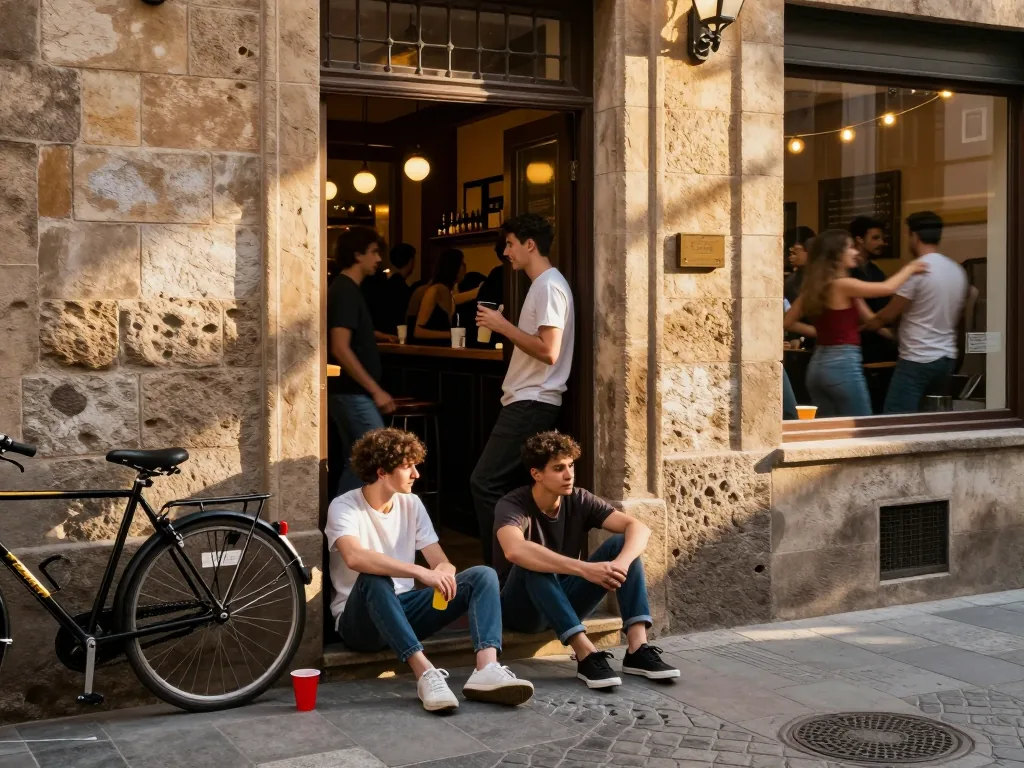
Tucked between the historic Barri Vell and the modern Montilivi campus, Girona’s university quarter hides a nightlife scene built on cheap drinks, crowded plazas, and the kind of spontaneous chaos only students create. Whether you’re a fresher hunting your first bar crawl or an exchange student dodging tourist-trap prices, this guide covers it all—from the exact streets for pre-drinks to the 3 a.m. kebab spots that save your night. You’ll pick up the unwritten timing rules (nobody goes out before midnight), learn how to avoid noise fines, and know which side of the river to cross when the party shifts. By the end, you’ll navigate both campuses like a local, without blowing your monthly budget or losing your deposit on a broken phone.
Understanding the Two Campuses and Their Nightlife Reach
Barri Vell: The Historic Heart of Student Nights
Drop into the old town campus and you’re straight in a medieval maze where the city’s nightlife beats strongest. The action clusters around three key zones: Plaça Independència, Carrer de la Cort Reial, and Carrer de les Ballesteries. Plaça Independència is the grand, arcaded square where terraces spill onto the pavement from early evening—intimate tapas bars keep their kitchens open for late-night montaditos and vermouth, while louder, music-driven pubs only fill up after midnight. A short stumble down Carrer de la Cort Reial leads to a tighter, grittier strip: exposed stone walls, cheap cañas, and a mix of Erasmus students and locals who’ve been coming for years. Carrer de les Ballesteries, running parallel to the river Onyar, offers a more laid-back vibe, with candlelit wine bars and a couple of basement clubs opening around 1 AM. The whole circuit—from the Cathedral side down to the riverfront—takes under ten minutes on foot, so bar-hopping is effortless. Within the old town, you never need a taxi; the density is that high.
Montilivi: Quieter Pubs and the Commute to the Action
The south campus at Montilivi is a different beast. It’s a functional, modern complex with a handful of student pubs and two small clubs, but the selection is genuinely limited. For a quick beer between lectures, there’s one decent spot near the Faculty of Law and another by the science buildings—neither stays busy past midnight. Most students treat Montilivi as a starting point, not a destination. The standard move: pre-drink in a shared flat near campus, then walk about twenty minutes straight into the old town—or, more commonly, hop on the L1, L2, or L3 city buses that run from the campus stops directly toward the Barri Vell. Buses run frequently until late, but here’s the crucial local tip: check the last departure times. After 2 AM, the frequency drops off sharply, and you risk a long, uphill walk home if you miss the final run. The walk isn’t dangerous, just tedious, especially in winter. For a smoother exit, some students club together for a shared taxi back to Montilivi, typically costing €4 to €6 per person if split three ways. The real trick is to pace yourself in the old town and keep an eye on the clock—or simply accept that the night ends when the buses do.
The Typical Night Out: Timing, Costs, and Local Customs
Pre-Drinks and the Botellón Question
In Girona’s university quarter, the evening doesn’t really start until 10 or 11 PM. That’s when the first round of pre-drinks begins. The standard move? Gather at a friend’s flat—cramped kitchens, plastic cups, a shared playlist. Or head to the no-frills bars near Plaça Independència, where a “tapa + drink” deal runs €5 to €10 per person. For budget-conscious students, these bars are a lifeline: a small bite, a beer or vermouth, and the night shifts into gear.
Now, about the botellón—Spain’s tradition of drinking in public. In Girona, you’ll spot groups across Parc de la Devesa or along the grassy riverbanks of the Onyar, especially on warm evenings. It’s common, but not exactly legal. The city enforces fines for public drinking. Police rarely sweep through aggressively, but they won’t hesitate if you’re loud or leave a mess. If you drink outdoors, discretion is everything.
“If you want to drink outside, keep it discreet, use plastic cups, and never leave bottles behind—locals tolerate it, but the police don’t ignore it.”
That’s the unofficial rule. Stick to private apartments whenever possible. If you’re out in the open, treat it like a quiet picnic, not a party. The most popular pre-drink spots remain private flats, the cheap bars around Plaça Independència, and the terraces hugging the Onyar River, where city lights reflect off the water and set a relaxed tone.
Club Entry, Drink Prices, and Peak Hours
Pre-drinks wind down around midnight—then the real movement begins. Club entry in the university quarter costs €5 to €15 per person, depending on the night and venue. Fridays and Saturdays sit at the higher end; Thursdays often offer cheaper or even free entry for students. Some clubs include a drink in the cover, but don’t count on it. Inside, a beer or mixed drink runs €6 to €10—which explains why most students load up beforehand. A single round inside can easily blow half your evening budget.
Peak hours are late. Very late. Venues don’t hit their stride until after 1 AM, and doors stay open until 3, 4, or even 5 AM. Thursdays are the unofficial student night, drawing the biggest university crowds because weekends attract a more mixed, older local crowd. Want the full student experience—sweaty dance floors, cheap entry, a crowd mostly your age? Thursday’s your best bet. On Fridays and Saturdays, expect a different vibe: more tourists, more locals, a slightly slicker atmosphere.
Navigating the Academic Calendar and Festival Peaks
Semester Starts and Quiet Exam Periods
Girona’s university quarter moves to the beat of the academic calendar. Nowhere is that clearer than in the first two weeks of each semester. Fresh cohorts flood the narrow streets around the Universitat de Girona, and the bars respond in kind. Happy hours stretch longer. DJs swap their usual sets for high-energy playlists. Terraces along Carrer de la Rutlla and Plaça de Sant Domènec stay packed well past midnight. To catch the scene at its most electric, aim for the opening fortnight of the autumn term in late September or the spring term in late February. The week before Christmas is another peak, as students mark the end of classes with impromptu gatherings and themed bar crawls.
Then comes the quiet. During January, June, and September exams, the quarter transforms almost overnight. Many venues cut back to just a few evenings a week. Those that stay open often shift to a lounge-like mood—low lighting, acoustic playlists, and a few tables for students nursing coffees or a single beer while revising. Lines vanish. Entry fees drop. On a Tuesday night, you might find a bar entirely to yourself. That’s not a drawback. It’s the perfect chance to talk with a local bartender, stumble upon a hidden wine bar, or wander the cobbled streets without the crush.
Local Festivals That Transform the Scene
Girona’s cultural calendar brings a different kind of energy. On Sant Jordi in April, book and rose stalls fill the streets by day; by night, bars host poetry readings and live acoustic sets that spill onto the pavement. Temps de Flors in May turns the quarter into a maze of floral installations, with venues extending terraces and opening pop-up cocktail bars in courtyards usually closed to the public. The Girona Summer Festival, running through July and August, moves the action outdoors—open-air concerts in plaças and extended hours at riverside chiringuitos.
Expect entry fees to climb from around €5 to €12 during these festivals, and crowds to swell accordingly. The upside: pop-up stalls serving street food and creative drinks at prices from €4 to €9 per item. Themed nights and special DJ sets—think flamenco-electronica fusions or 90s Catalan pop revivals—tend to sell out days ahead, so grab tickets early. Plan your nights around these peaks, and you’ll see a side of Girona’s student life the regular semester simply can’t offer.
Late-Night Food Culture and Getting Home Safely
Where to Eat After the Clubs Close
The bass stops. The lights flicker back on. And the real Girona ritual begins: the late-night food run. Students pour out of the clubs in the university quarter and drift toward the old town, where kebab shops, pizzerias, and hole-in-the-wall bakeries keep their ovens burning into the early hours. A proper post-club snack runs anywhere from €4 to €8 per serving—whether you grab a loaded kebab wrap or just a simple slice of pizza. These spots peak between 2:30 and 4 AM, so expect short queues. Nothing brutal, but enough to spark small talk with strangers about the night’s highlights.
Popular late-night options include the classic kebab wrap, dripping with garlic sauce and tucked into foil; a thick, greasy slice of pizza folded in half; empanadas stuffed with meat or cheese; and, for something lighter, fresh pastries from bakeries that open early for the morning shift. The bakery crowd is a different breed—students who skipped the club entirely and are now grabbing a croissant before an early café shift. If you’re after something sweet, follow the smell of butter and sugar toward the Plaça de la Independència, where a couple of spots keep display cases full until sunrise.
Transport Options and Safety Tips
The old town is compact, and walking is the main way around—most bars and clubs sit within a ten-minute stumble of each other. But if you’ve been partying in Montilivi, where the university campus sits, the night bus doesn’t run every hour. Check the schedule before you commit. Taxis and ride-sharing apps are available, but a short trip costs between €8 and €15 per ride, which adds up fast when you’re splitting it three ways. Your best bet? Stick with the walking crowd and follow the noise.
Safety is straightforward but worth repeating: stick to well-lit streets, travel in groups, and keep your phone charged. Most venues have coat checks but no lockers for valuables, so leave the laptop at home and carry only what you need.
“Never accept drinks from strangers, and always agree on a meeting point with friends before you split up—phone signals can be patchy in the medieval alleys.”
Budgeting, Etiquette, and Making the Most of Student Nights
How to Keep Costs Down Without Missing Out
In Girona’s university quarter, the smartest way to stretch your budget is to treat pre-drinks as the main event, not the warm-up. Gather at a friend’s flat with a bottle of supermarket wine or a shared pack of beers—this keeps your baseline spend at just €0 to €5. Then, resist heading out before midnight. Most clubs in the area waive or heavily reduce entry fees after 12:30 AM, so you can stroll in for €5 to €15 instead of paying a premium for an early arrival. For food, skip the sit-down restaurants and hit the street vendors or late-night kebab spots near the Plaça de la Independència; a filling snack runs €4 to €8, and it’s part of the local ritual anyway.
Always ask directly if a venue has a designated “student night.” Many bars in the quarter offer reduced drink prices on Tuesdays or Thursdays, and some clubs give a discount if you show your university ID at the door. A realistic nightly breakdown looks like this: pre-drinks at home (€0–€5), one or two drinks at the bar (€10–€20), club entry (€5–€15), and a late-night snack (€4–€8). That puts your total between €19 and €48—manageable if you plan ahead and avoid impulse rounds.
Unwritten Rules and Local Etiquette
Girona’s nightlife is lively but never chaotic. Locals keep their voices down when walking through residential streets, especially in the narrow alleys near the university buildings—no one wants to be that group. Tipping is minimal; rounding up your bill or leaving small change is perfectly acceptable, and nobody expects a percentage-based gratuity. In crowded bars, don’t wait for table service—it rarely comes. Instead, push politely to the bar, catch the bartender’s eye, and order directly; this is the norm, not rudeness.
Dress codes are relaxed, but there’s a clear line: casual jeans and a clean shirt work almost anywhere, while sportswear or tracksuits will get you turned away at the more upscale clubs along the River Onyar. The most important rule is pacing. A typical night in Girona runs from midnight to dawn, and locals prize endurance over speed. Sip your drink, chat between venues, and let the night unfold naturally—rushing through rounds is a sure sign of a tourist.
Conclusion
Mastering Girona’s student nightlife is all about balance. The old town buzzes with energy, while Montilivi offers a more relaxed vibe—know when to jump into the crowd and when to step back for a quieter pint. Timing matters. Plan around exam weeks, local festivals, and the academic semester’s rhythm, and you’ll always find the right atmosphere. Watch your budget, too. Cover charges, drinks, and that essential post-party snack can add up, so plan ahead to avoid a financial hangover. With the local map in hand, start with a casual Thursday tapas crawl in the Barri Vell, then ease into Montilivi’s terraces as the weekend builds. The next move is yours: rally some friends, pick a spot, and let Girona set the pace.
Frequently Asked Questions
What is the typical starting time for a night out in the Girona university area?
Most students start with pre-drinks at home or in shared flats around 10 PM, then head to bars in the Barri Vell or near the University campus. Clubs and late-night venues usually get busy from midnight onward, with peak hours between 1 AM and 3 AM.
Are there any student-friendly bars close to the University of Girona campus?
Yes, the area around the Montilivi campus and along the river Ter has several casual bars popular with students, offering affordable drinks and tapas. You'll find a mix of traditional Catalan bars and modern spots, with beer prices typically ranging from 2 to 4 euros and mixed drinks from 5 to 8 euros.
What is the dress code for clubs in the Girona university area?
Most clubs near the university are casual, with smart-casual being the norm; jeans and sneakers are usually fine, but avoid sportswear or beachwear. Some upscale venues in the city center may require a collared shirt, so it's best to check their social media or ask locals before heading out.
How do students usually get home after a night out in Girona?
Many students walk or cycle, as the university area and old town are compact and well-connected by bike lanes. Night buses run on select routes until around 2 AM, and taxis are available from the main squares, with short rides within the city typically costing between 5 and 10 euros.
Are there any free or low-cost nightlife events for students in Girona?
Yes, many bars host weekly quiz nights, live music, or DJ sets with no cover charge, especially on weekdays like Tuesday or Thursday. University student associations also organize themed parties and cultural events, often with entry fees ranging from 3 to 8 euros, which usually include a drink.
What is the legal drinking age for students in Girona?
The legal drinking age in Spain is 18, and you may be asked for ID at bars, clubs, or supermarkets. Most university students are of age, but if you look younger, carry your passport or national ID to avoid being refused service.
Can I find cheap food options during a night out in the Girona university area?
Absolutely, many bars offer free tapas with each drink, especially in the old town, which is a great way to snack without extra cost. For a more filling meal, kebab shops and pizza places near the university are open late, with prices ranging from 5 to 9 euros for a main item.
Is it safe to go out at night in the Girona university area?
Girona is generally a very safe city, and the university area is well-lit and frequently patrolled by local police, especially on weekends. As with any city, keep an eye on your belongings and stick with friends, particularly when walking through quieter streets late at night.
What are the most popular nights of the week for student nightlife in Girona?
Thursday nights are traditionally the biggest student night, as many locals and exchange students go out before the weekend rush. Friday and Saturday are also busy, but expect higher entrance fees and longer queues at clubs, with covers ranging from 5 to 12 euros.
Are there any cultural or alternative nightlife options beyond clubs and bars?
Yes, Girona has a lively alternative scene, including indie music gigs, poetry slams, and film screenings at small cultural centers like La Mercè or the university's own auditorium. These events often start earlier, around 8 PM, and have a more relaxed vibe, with drink prices typically from 3 to 6 euros.