Girona After Dark: The Ultimate 2026 Nightlife Guide for Every Kind of Partier
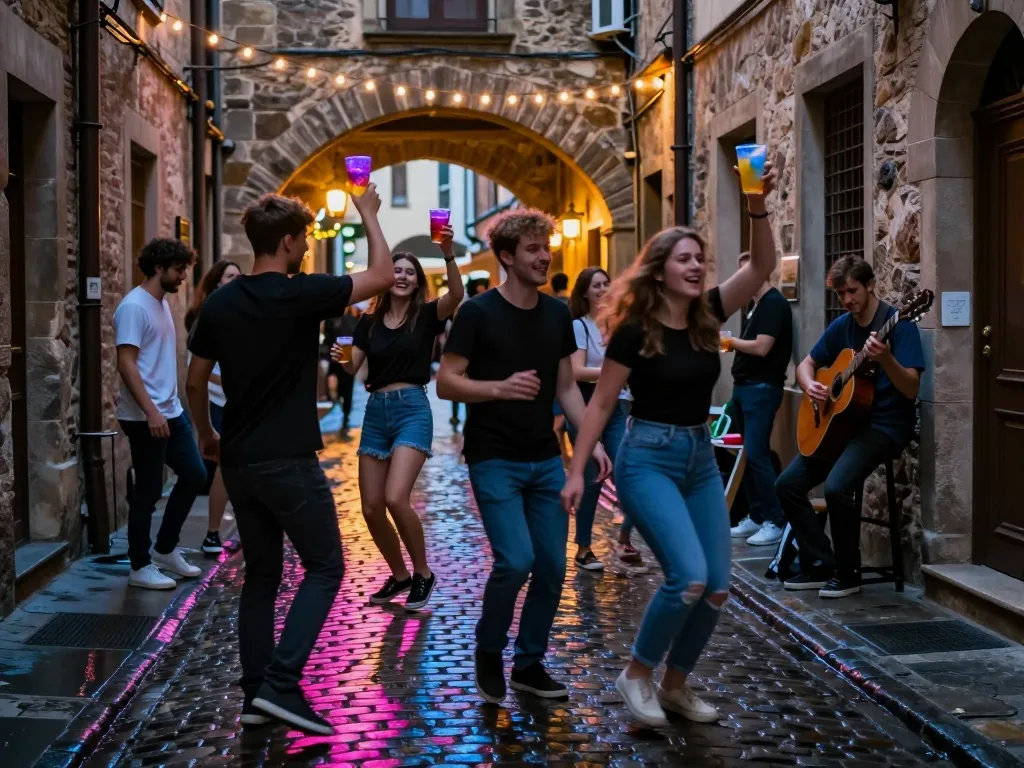
As the sun dips below the Barri Vell’s ancient stone walls, Girona trades its daytime charm for a nightlife scene most travelers never see coming. You might be chasing thumping electronic beats in a converted warehouse, sipping craft cocktails in a candlelit medieval square, or dancing till dawn in a hidden underground club—this Catalan gem moves to a rhythm for every kind of night owl. The old choice between Barcelona’s chaos and a quiet evening is gone; in 2026, Girona stands on its own as a full-fledged party destination. This guide cuts through the noise, mapping the city’s after-dark hotspots by vibe, budget, and stamina. Whether you’re a first-timer or a seasoned raver, here’s exactly where to go, what to expect, and how to make your night unforgettable.
Understanding Girona’s Nightlife Zones in 2026
Girona has no single party district. Instead, four distinct zones each carry their own rhythm and crowd. Pick the right one at 10 PM versus 2 AM, and you’ll trade a forgettable night for a legendary one.
Barri Vell and Plaça de la Independència anchor the historic scene, running on an earlier, more social clock. In the Barri Vell, narrow stone streets twist like a medieval labyrinth. The party here is about ambiance, not volume. Tiny cocktail bars hide inside centuries-old arches; terraces spill onto cobblestones. By 11 PM, these spots fill fast with international students, local artists, and travelers who’d rather talk over a well-mixed gin and tonic than shout over a subwoofer. This zone suits social drinking, not hardcore dancing. Ten minutes on foot—or two minutes stumbling—brings you to Plaça de la Independència, the city’s designated pre-party hub. Beneath its grand porticoes, everyone converges before the night takes off. Large groups circle the fountain, hopping between half a dozen bars along the arcades. The energy is loud, boisterous, friendly—expect strangers to pull you into conversation. Start here, but don’t linger past 1 AM. The real action moves on.
Cross the river for space to breathe and dance: The Devesa Park and Onyar River Modern Strip. Running along the park’s southern edge, this area feels like another city. Wider streets, larger venues, sound systems tuned for bass. Here sit Girona’s late-night clubs and bigger live-music spots. Unlike the old town’s cramped corners, this strip offers purpose-built dance floors and outdoor spaces that won’t trigger your fire-safety instincts. The crowd skews older and more local—people who’ve done the Barri Vell circuit and now want hours of committed dancing.
For the 2026 insider, head to the rising Carrer de la Rutlla and Carrer de Santa Eugènia corridor. This unofficial “second strip” lets you dodge the tourist trail. Over the past year, the neighborhood has morphed into a haven for indie bars, intimate live-music venues, and small, sweaty clubs that run until sunrise. It’s grittier, more experimental, deeply local. Underground electronic sets, punk-adjacent gigs, natural wine at 4 AM—this is your zone. Venues are small, so arrive before midnight on weekends. The payoff: a night that feels authentically Gironan.
Legal Basics Every Partier Must Know
Before you dive into Girona’s neon-lit alleyways and riverside terraces, get the legal groundwork out of the way—because a night out here can derail fast if you’re caught off guard. The drinking age is a hard 18. Unlike some tourist-heavy Spanish cities where rules bend after midnight, Girona’s bouncers and late-night convenience stores play it strict. Don’t assume your tan or your beard makes you look 25; door staff routinely demand physical ID from anyone who appears under 30, especially at clubs like Lola, Sunset Jazz, or the packed bars along Carrer de la Creu. Carry your passport or a valid EU national ID card at all times. A photo on your phone won’t cut it, and a rejected entry at 1:00 AM is the fastest way to end your night sober and annoyed. If you’re from outside the EU, your home country’s driver’s license is usually accepted at bars, but for clubs with stricter policies, the passport is your only guaranteed ticket.
Police presence in Girona’s nightlife zones ramps up significantly after 2:00 AM. That’s when the Guàrdia Urbana (local police) and occasionally the Mossos d’Esquadra (regional police) do regular foot patrols through the Barri Vell, Plaça de la Independència, and the Pont de Pedra area. They’re not looking to ruin your fun, but they will act on public intoxication, disorderly conduct, or any visible drug use. Cannabis is not legal in public, even if the smell is common. Keep your voice down on the streets, don’t climb on monuments, and never urinate in public—the fine starts around €300, and the officers are serious about it. The bigger rule to remember is the “quiet hours” ordinance: outdoor noise is restricted after 11:00 PM on weekdays (Sunday to Thursday) and after 1:00 AM on Friday and Saturday nights. This doesn’t mean you have to whisper on a rooftop terrace, but if you’re chatting loudly outside a bar, you’ll get a warning first, then a fine. The loophole? Indoor venues with proper soundproofing are exempt from these noise limits. So if you want to keep talking at full volume or dance without shushing, move inside. That’s why Girona’s best parties happen in basement clubs and converted warehouses, not on the streets. Respect the quiet hours, keep your ID on you, and the city will happily let you party until sunrise without a single legal headache.
Pro tip: If you’re out past 3:00 AM and need a nightcap, stick to venues with an explicit “indoor license” sign at the entrance. Outdoor tables at that hour are a legal trap—and the Guàrdia Urbana knows exactly which ones to check.
How to Get Home Safely After 3 AM
The music fades, the last round is poured, and suddenly the clock strikes three. Girona’s old town transforms from a neon playground into a quiet labyrinth of cobblestones—getting home becomes the final challenge of the night. Don’t let a great evening end in a cold, confused wait. Know your exits before you need them.
Nit Bus Routes and Weekend Schedules
Girona’s Nit Bus is your best friend for the post-party shuffle, but it isn’t a 24-hour service. It runs on Fridays, Saturdays, and the eve of public holidays, with departures roughly every 30 to 45 minutes until about 3:00 AM. The network connects the historic center and Barri Vell to residential zones like Santa Eugènia, Montilivi, and the university campus—ideal for students and locals alike. Main stops are clearly marked with blue “Nit Bus” signs; look for them near Plaça de Catalunya and along Carrer de Barcelona. After the last bus, your options narrow fast, so memorize the final departure times at the venue’s exit.
Taxis, Ride-Hailing, and the AVE Station
Miss the bus? Taxis are the reliable fallback. The main rank sits at Plaça de la Independència, and after 2:00 AM on weekends, expect a line of 10 to 20 people. A short ride across the city typically costs €8 to €15; a longer jaunt to the outskirts or nearby villages runs €20 to €35. Uber and Cabify do operate in Girona in 2026, but their availability plummets after 3 AM—drivers are often finishing shifts or parked far away. If the app shows nothing, don’t wait. Walk to a main avenue like Gran Vía or Carrer de Jaume I, where drivers are more likely to accept a fare.
For a safer, well-lit meeting point, head to the Girona–AVE train station. It’s open late, has security, and offers a covered area to wait for a ride or a friend. Truly stranded? Gather a group from your venue and split a taxi—strangers are often happy to share if you ask politely. As a last resort, a 24-hour café near the station, like the one inside the hotel across the street, will keep you warm until dawn breaks.
The Student Night Scene: Wednesdays and Thursdays
The Universitat de Girona drives a midweek scene that tourists often miss entirely. While Barcelona’s party machine roars from Thursday to Sunday, Girona’s student population flips the script: the real action happens on Wednesday and Thursday nights, when the city’s three main campuses empty out and their energy floods into a handful of gritty, affordable bars. This isn’t the polished, bottle-service world of the Old Town; it’s a raw, sweat-on-the-walls, 5-euro-pitcher culture that rewards those who know where to look.
Where University Crowds Gather
Start at the triangle formed by Carrer de la Rutlla, Carrer del Rector Morera, and the small plazas around the Facultat de Lletres. There you’ll find the anchors: Bar L’Arc, a cramped, tile-floored classic with a jukebox that somehow always plays indie rock, and La Taverna del Rector, which turns its back room into a makeshift dance floor after 11 PM. The densest student clusters, though, gather around Plaça de l’Olivera on Thursdays, where three competing bars—Cafè Teatre, El Bistrot, and La Sopa—push “2-for-1” gin tonics and 3-euro mojitos until the plastic cups run out. Expect a 70/30 split of locals to international Erasmus students, so practice your Catalan greetings—a simple “hola, què tal?” goes a long way.
Unofficial Student Nights and How to Find Them
No central website or official app exists for these events. The system runs on WhatsApp groups, Instagram stories tagged with #UdG, and chalkboards. The practical trick: walk down Carrer de la Rutlla any Wednesday after 9:30 PM and look for bars with a single chalkboard outside reading “Nit d’Estudiants” or “2x1 fins a les 2”. Those are the nights. Also check the corkboard inside the Biblioteca del Barri Vell—students still pin paper flyers there, often listing warehouse parties or “after-class” events in the Parc de la Devesa, where DJs from the university’s electronic music club set up a small sound system under the trees until 2 AM.
Blockquote: The Universitat de Girona drives a midweek scene that tourists often miss. On Wednesdays and Thursdays, many bars near the campus and along Carrer de la Rutlla offer discounted drinks or “student nights,” but these are not branded city-wide. Look for chalkboards, student flyers, or simply follow groups of young people after 10 PM. Expect earlier closing times (around 2–3 AM) and a more casual, less touristy vibe.
A final note on logistics: these bars close strictly around 2 AM on weeknights (3 AM if it’s a full moon or exam week, when students blow off steam). Drinks run from €2.50 to €5.00 per beer or mixed drink, and a full pitcher of sangria costs between €8 and €12. Don’t dress up. Don’t expect a velvet rope. And if someone invites you to a “private party” in a student flat near the river, go—that’s where the night actually peaks, with a shared speaker, a bag of supermarket ice, and the sound of Catalan laughter echoing off the medieval walls.
Seasonal Timing: Summer vs. Winter Hours
June to September: Extended Hours and Outdoor Events
From June through September, Girona’s nightlife shifts outdoors and stretches late. Most clubs—especially those along the Riu Onyar or near the Barri Vell—stay open until 4:00 or 5:00 AM, and many don’t hit peak crowd until after 1:00 AM. Outdoor terraces and pop-up bars appear in unexpected corners: converted courtyards in the Jewish Quarter, rooftop lounges above the Rambla, riverside chiringuitos serving gin-tonics until dawn. The Devesa park, a leafy promenade just north of the old town, becomes the epicenter of open-air events, hosting DJ sets, live indie bands, and silent disco nights on weekends. Cover charges at these larger events run €8 to €15 per person, while smaller terrace bars rarely charge entry. Dress light—humidity can be intense—and always carry cash for late-night food stalls near the cathedral steps.
November to February: Shorter Nights and Closed Weekdays
Winter in Girona is a different beast. From November through February, most clubs pull back to a 3:00 AM closing time, and many neighborhood bars shut their doors entirely Monday through Wednesday. Action concentrates almost exclusively on Friday and Saturday nights, when the remaining venues—typically the industrial-chic spaces near the train station and the underground clubs off Carrer de la Creu—fill with a dedicated local crowd. Out on a Thursday? Your best bet is a traditional bodega or craft beer taproom, but expect last call around midnight. Many venues switch to a more intimate format during these months: smaller DJ booths, acoustic sets, and themed nights like 80s Spanish pop or jazz fusion. Entry fees drop to €5–€10, and drink prices are noticeably lower than in summer.
Shoulder Months and the Sant Narcís Exception
March through May and October are unpredictable. Some venues run summer hours, others winter, and a few close entirely for renovation. Always check a venue’s Instagram or ask a bartender before heading out. The one hard exception is Sant Narcís, Girona’s patron saint festival in late October. For about five days, the city transforms: temporary outdoor bars line the Plaça Independència, clubs extend hours to 5:00 AM, and special events take over warehouses and civic centers. However, many of these require advance tickets (€15 to €25 per event) and enforce strict capacity limits—arrive early or book online, or you’ll be left outside listening to the bass from the street.
Quiet Hours and Noise Rules: What You Can and Cannot Do
Girona’s medieval charm doesn’t come with a 24-hour party license. The city’s ordenança de civisme is strict about noise, and knowing the exact boundaries will save you from a hefty fine—or a ruined night. Here’s the practical breakdown.
Outdoor Terraces and Street Parties
Sunday through Thursday, the outdoor volume cutoff is 11 PM. Fridays and Saturdays buy you a two-hour grace period until 1 AM. After those times, any audible noise from a terrace, street, or public park is technically a violation. No shouting across the cobblestones, no portable Bluetooth speakers on the Cathedral steps, no lingering in a loud group outside a bar’s front door. Police patrol the Barri Vell and the Rambla de la Llibertat especially hard on weekends. Caught? Fines for noise infractions typically run €100 to €600 per incident, depending on severity and repeat offense. Street parties? Forget it. Any unsanctioned gathering with amplified music or a crowd spilling into a public square is effectively banned. Official festivals like Temps de Flors or Sant Jordi have their own permits—those are the only exceptions. An impromptu rave in the old town gets dispersed within minutes, not hours.
Indoor Venue Exemptions
Your late-night salvation is indoors. Any bar, club, or cultural space with proper soundproofing and a valid municipal license is exempt from the outdoor noise curfew. That’s why Girona’s real nightlife hides behind heavy doors and in basement venues. Step inside a dedicated music club or a late-night cocktail bar with insulated walls, and you can legally party until 3 AM or later. The catch? Sound must not leak outside. Venues that fail this test—a bar with open windows, a thin wooden door—are still bound by the same 11 PM/1 AM limits. So don’t assume every open-door bar is safe. Ask the bouncer or bartender if the spot holds a late license. Many places in the Eixample or near the Devesa park operate legally until dawn, but they’re not always obvious from the street. For a post-midnight session, find a venue that looks closed from the outside—often, the only sign of life is a muffled bassline behind a steel door.
The Golden Rule: Want to keep going after the terraces shut down? Move inside. The moment you’re back on the street, you’re in the police’s domain. Keep your voice down, walk briskly to the next indoor spot, and never assume a quiet plaza is a free-for-all. Respect the curfew, and Girona will let you dance till sunrise—just not under the stars.
Practical Night-by-Night Strategy for Tourists
Navigating Girona’s nightlife isn’t about stumbling into the first open door—it’s about timing your moves like a local. The city runs on a rhythm that rewards planning, especially if you’re only here briefly. Here’s how to make every night count, broken down by the days that matter.
Friday and Saturday: The Full Night Out
Weekends are when Girona sheds its medieval calm and turns up the volume. Start at Plaça de la Independència around 10 PM, where terraces buzz with groups warming up over vermouth or craft beer. Don’t linger too long—by midnight, shift to a bar on Carrer de la Rutlla, a narrow street packed with low-key joints pouring strong gin-and-tonics and playing indie rock at conversational volume. That’s where the city’s creative crowd gathers, and it’s the perfect pre-game. Around 2 AM, head toward the clubs near Devesa park, where warehouse-style venues and basement discos run until sunrise. Logistics are key: the Nit Bus runs until roughly 3 AM on weekends, and taxis are plentiful but surge after 2:30 AM, so catch the bus early or split a cab with new friends. Club entry runs €8 to €15 per person, depending on the DJ and the hour.
Sunday to Thursday: Low-Key Alternatives
The midweek scene is quieter, more local, and far cheaper. On Wednesday and Thursday, the university crowd takes over bars near campus, where student nights offer pints from €2.50 to €4 and shots under €2. Expect a casual, chatty vibe, but plan to wrap up by 2:30 AM, as most places close early on school nights. Sundays and Mondays are dead for clubs; instead, head to Barri Vell’s live music bars, where jazz trios and acoustic sets run until midnight, or find intimate cocktail lounges tucked into stone vaults that stay open late but keep the volume low. A final tip: during festivals like Sant Narcís in late October, always check venue capacity and ticket requirements in advance—many spots sell out or enforce strict door policies. For everything else, the golden rule is simple: start early, move deliberately, and let the night unfold on Girona’s terms.
Safety, Scams, and Smart Party Habits in 2026
Girona’s nightlife is famously friendly, but smart partying in 2026 means knowing where the rare risks hide. The city’s charm—narrow medieval alleys, packed festival squares, and riverside bars—also creates perfect conditions for petty opportunists. Let’s break down how to keep your night seamless.
Protecting Your Belongings and Personal Space
Pickpocketing is rare but does happen. Crowded squares like Plaça de la Independència during weekend bar crawls, and queue lines outside major clubs near Devesa park, are the hotspots. Keep your phone and wallet in front pockets—not back pockets or open jacket flaps. Crossbody bags worn toward the front are your best friend. While dancing, never leave drinks on ledges or tables; the bump-and-grab is the oldest trick. Be mindful of your personal bubble on packed outdoor terraces, too. Some “accidental” pushes are deliberate distractions. Carrying a larger bag? Loop it around your leg or chair arm. And follow one simple rule: if someone invades your space with a sudden hug, handshake, or “compliment,” step back and check your pockets immediately. In 2026, many local venues offer free lockers near the entrance—use them for jackets and bulky items instead of holding them all night.
Avoiding Overpriced or Fake Venue Entries
Beware of unofficial “promoters” outside clubs, especially around Carrer de la Rutlla and Barri Vell. They offer “fast track” entry for a fee, but these are often scams—they take your cash, then vanish or lead you to a closed side door. Legitimate clubs in Girona charge a door fee (typically €5 to €15 per person, depending on the night and event) or use a guest list system managed only at the official ticket booth or via verified social media. Always check for visible security staff, a printed price list near the entrance, and a physical queue. No posted entry price and no visible bouncer? Walk away. Also, steer clear of street “VIP bracelet” sellers—real VIP access is sold only inside or through official online platforms. When paying, ask for a receipt or a stamped wristband. If they can’t provide one, that’s a red flag.
Pickpocketing is rare but happens in crowded squares and club queues—keep your phone and wallet in front pockets. Beware of unofficial “promoters” outside clubs offering fast entry for a fee; they are often scams. Stick to venues with visible security and a posted entry price. Also, drink water between alcoholic drinks, and never leave your drink unattended. If you feel unsafe, approach any police patrol or go to a well-lit 24-hour shop near the AVE station.
Finally, pace yourself. Girona’s bars pour strong, and the night often stretches until 5 AM. Have a water between every alcoholic drink, and watch your glass at all times. If you feel unsafe or lost, police patrols are common in the old town on weekends, and the 24-hour convenience store next to the AVE station is a safe, well-lit refuge. Smart habits keep the party going—and keep you in control.
Conclusion
Girona’s nightlife in 2026 is no longer a well-kept secret. It’s a layered playground where medieval stone walls meet neon-lit rooftops—and your perfect night depends entirely on your rhythm. Chasing underground techno in a converted warehouse? Done. Sipping vermouth in a candlelit plaza with live jazz? Also done. Dancing till dawn at a riverside club? That’s here too, minus the Barcelona crowds. Your next step is simple: pick your vibe from this guide, check the local event listings for the weekend, and book a table or guestlist spot early—because Girona’s best nights are intimate by design. Don’t overplan. Let the cobblestones lead you. The real magic happens after the last tourist leaves the Rambla.
Frequently Asked Questions
What are the main nightlife zones in Girona in 2026?
The two primary zones are the historic Barri Vell (Old Town) around Plaça de la Independència and the modern area near the Devesa park and the train station. In 2026, the Barri Vell remains the hub for bar-hopping and late-night tapas, while the Devesa area has grown with more open-air terraces and electronic music venues.
Are there any rooftop or open-air party spots that are popular this year?
Yes, several hotels and cultural centers now host seasonal rooftop parties, especially from May to September. The Mirador de la Catedral area and the rooftop of the Casa de Cultura offer DJ sets and panoramic views, but check local listings as these rotate weekly in 2026.
Where can I find live music or concerts at night in Girona?
The Auditorio de Girona and the Sala de la Mercè host regular live acts, from indie bands to jazz, with many free shows on weekends. For a more underground vibe, the small venue La Mirona (just outside the city center) remains a favorite for electronic and rock gigs in 2026.
What's the best area for bar-hopping with a young crowd?
Head to the streets around Carrer de la Cort Reial and Plaça de Sant Felip, where a dense cluster of small bars stays open until 3 AM. In 2026, this area has a mix of craft beer spots and cocktail lounges, and the vibe is casual and social, especially on Thursdays and Fridays.
Are there any late-night clubs that stay open until sunrise?
Yes, the club 'La Sala' near the Devesa park is the main after-hours spot, often staying open until 6 AM on weekends. Also, the warehouse-style venue 'Nau B1' in the industrial district hosts monthly all-night techno events, but it's not every weekend, so check their social media.
Is there a specific night of the week when Girona's nightlife is busiest?
Friday and Saturday are the peak nights, but Thursday has become increasingly popular in 2026 as many bars offer student discounts and live DJs. Sunday nights are generally quiet, except during summer festivals like Temps de Flors, when special events run late.
What should I know about safety and noise regulations for nightlife in 2026?
Girona has strict noise curfews in residential areas, so most clubs are located in designated zones; outdoor drinking is banned after 1 AM in the Old Town. Use licensed taxis or the night bus (N1-N3) that runs until 5 AM on weekends, and avoid walking alone through dark alleys near the river.
Are there any unique or themed party events that happen in 2026?
Yes, the 'Girona Noir' festival in October features film-noir themed club nights with live jazz and vintage cocktails. Also, during the summer, the 'Nit de Sant Joan' (June 23) includes beach-style parties on the banks of the Onyar with bonfires and DJs, though it's very crowded.
How can I find out about pop-up or secret parties in Girona?
Follow local Instagram accounts like @gironanightlife and @festesgirona, which post weekly updates on secret warehouse parties and pop-up bars. Many are held in old factories or courtyards, and you often need to DM for the address, as they're not publicly advertised.
Is it better to go out in the city center or near the university campus?
The university campus (Barri de Montilivi) has a more student-focused scene with cheap pubs and karaoke bars, but it closes earlier, around 2 AM. For a longer night with more variety, the city center is better, as it connects to late-night clubs and has more international visitors in 2026.