The Only Tapas Crawl You Need for a Tipsy Girona Wine Bar Night That Won’t End in a Food Coma
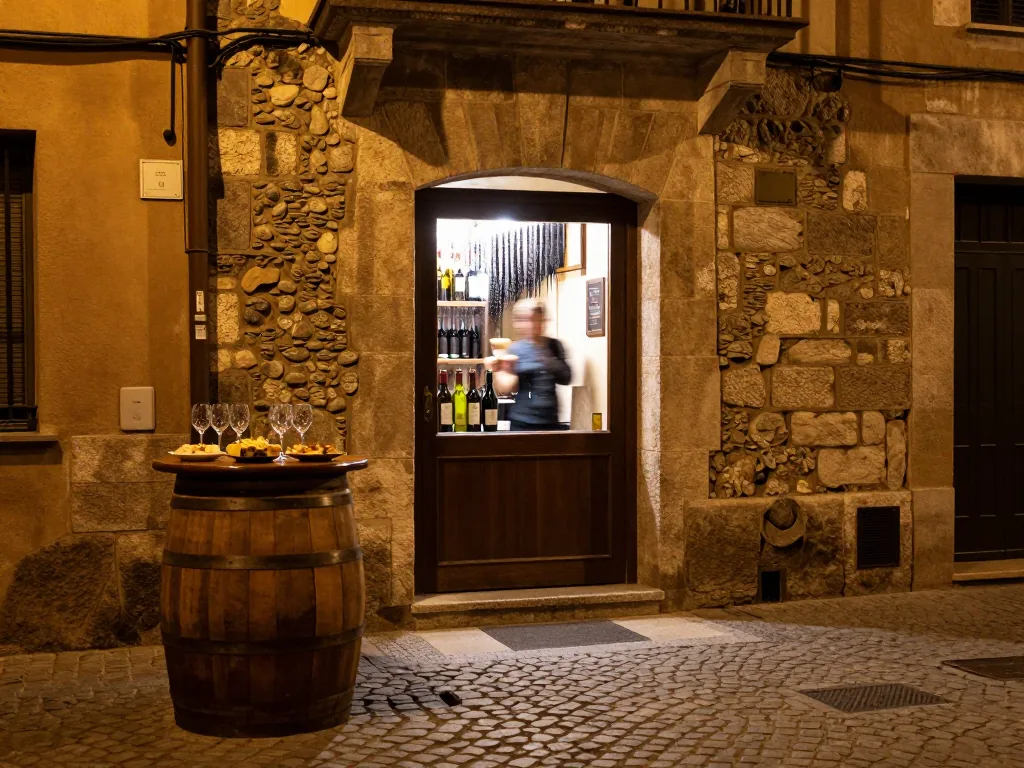
Picture this: you’re in Girona, where every cobblestone seems to whisper, “Have another glass,” and your stomach is already drafting its resignation letter. The only tapas crawl you need for a tipsy wine bar night that won’t end in a food coma? It’s less about hoovering down every croqueta in sight and more about strategic sips, clever pacing, and knowing exactly when to wave the white flag at that third plate of patatas bravas. Think of it as a wine-fueled treasure hunt, where the prize is a perfectly buzzed evening—not a bloated stumble home. This guide hands you the best bar-hopping route, the order to hit each spot, and the sneaky tricks to keep you dancing on the line between merry and comatose. You’ll soak up the medieval charm without needing a wheelbarrow afterward.
What Makes Girona the Perfect Place for a Wine Bar and Tapas Night
Girona is what happens when a medieval city decides to throw a party and forgets to tell the tourists. It’s smaller, slower, and infinitely more charming than Barcelona’s tapas treadmill, which means you can actually hear yourself chew. The wine bars here don’t shout; they hum, and the tapas don’t arrive as architectural experiments—they arrive as food you’d write home about, then immediately order again. This is the rare night out where the cobblestones do the navigation, and your only job is to follow your glass.
The Old Town Advantage and Why You Should Let the Cobblestones Decide Your Route
Girona’s Old Town is a maze designed by someone who clearly hated straight lines, and that’s precisely the point. The narrow streets, the stone arches, the occasional staircase that appears to lead nowhere—every turn forces a decision, and every decision is a good one because the wine bars are packed into a ridiculously small radius. You’ll never need a map, a taxi, or a plan. You just walk until you smell toasted bread and hear the clink of glasses, then you walk in.
The real trick is to start at the Rambla, where the arcades keep you dry if the sky gets moody, and then drift upward toward the cathedral. Along the way, you’ll pass wine bars tucked into former butcher shops, bakeries, and what looks like someone’s living room that accidentally became a tasting room. The density is your friend—if one place is packed, you’re literally two minutes from the next. And because the streets are too narrow for cars, the only traffic you’ll fight is a stray dog with better bar instincts than you. Let the cobblestones decide your route, but let your nose decide your speed.
Local Grapes That Deserve More Than a Polite Sip
You could order a Rioja and survive, but that’s like visiting Naples and asking for a Hawaiian pizza. Girona sits in the Empordà wine region, where the Tramuntana wind beats the vines into submission and somehow produces grapes with real personality. Look for Garnatxa (that’s Grenache, but locals will appreciate the effort) and Carinyena, which often show up as juicy, rustic reds that pair with everything from anchovies to a loud argument about football. For whites, try Garnatxa Blanca or a dry Muscat—crisp, slightly floral, and dangerously easy to finish before your tapas arrive.
Most wine bars offer a tastings flight of three small pours, which is the smart move because it lets you sample without committing to a full bottle you might abandon halfway through. Expect to pay anywhere from €8 to €15 per flight, and don’t be shy about asking the bartender for their favorite local producer—they’ll usually pour you something that isn’t even on the list. One tip: if you see a wine labeled Vi de Pagès, that’s a farmer’s wine, and it’s often the best value on the shelf. Treat it like a local secret, which it is.
Tapas That Taste Like a Postcard From Catalonia
Girona’s tapas aren’t the deep-fried, sauce-drowned variety you might know from elsewhere. These are small, precise, and obsessed with the region’s two great obsessions: the sea and the pigs. You’ll see esqueixada (a cold salt-cod salad with tomato and onion that tastes like a coastal breeze), pa amb tomàquet (bread rubbed with tomato and olive oil, which sounds simple until you realize it’s the perfect food), and botifarra (a pork sausage that deserves its own fan club). The trick is to order two or three at a time, because the plates are small but the flavors are loud.
A smart strategy for a night that won’t end in a food coma:
- Start with one salty, one creamy, and one crunchy—like esqueixada, a local cheese plate, and pa amb tomàquet.
- Then move to one hot tapa, like croquetes or a slice of coca (a flatbread with whatever’s in season).
- Finish with something sweet only if you’re still hungry—a small slice of crema catalana is enough, and it’s basically a crème brûlée that’s been given a Catalan passport.
Expect to pay between €3 and €6 per tapa, so a full crawl of three bars will run you around €20 to €30 per person, plus wine. The beauty is that you’ll leave pleasantly tipsy, not stuffed, because the portions are designed for grazing, not gorging. And that’s exactly how a wine bar and tapas night in Girona should feel: like a slow, delicious wander that ends with you smiling at strangers and wondering why every city isn’t this good at this.
How to Plan Your Tapas Crawl Without Losing Your Friends or Your Dignity
A Girona wine bar tapas crawl isn’t about eating your body weight in bread. It’s a series of small, glorious decisions—each one a gamble between “one more glass” and “maybe I should have ordered the octopus.” Done right, it’s a cheerful stagger from bar to bar, past Roman walls and cathedral shadows, with just enough olive oil in your system to keep you upright. Done wrong? You’re that person clutching a napkin like a life raft at 11 p.m. So let’s map a route that keeps you tipsy, not tragic.
When to Start So You Peak at the Right Level of Tipsy
The golden rule of any Girona tapas crawl: start later than you think, but earlier than your stomach demands. Aim for 7:30 to 8:00 p.m., when the first locals trickle in and the bar tops are still shiny, not sticky. That timing lets you hit two or three wine bars before the true dinner rush—around 9:30 to 10—when every stool becomes a precious artifact and you’re reduced to standing near the bathroom. Start too early, say 6 p.m., and you’ll be sober by the time the evening gets fun, faking enthusiasm for your fourth Verdejo while your friends just warm up. Start too late, like 9:30, and your crawl becomes a sprint—nobody wants to see you jogging cobblestones in loafers. The sweet spot? You want to hit your second stop as the sun dips behind the cathedral, giving you a natural excuse to order something hearty. By stop four, you’ll be pleasantly floaty—not slurring, but nodding along to cheese conversations with more passion than they deserve. That’s your peak. Ride it for two more stops, then switch to water and pretend you’re being sophisticated.
How Many Stops Is Too Many Stops, and Other Math Problems
Here’s the arithmetic that matters: three to five stops is the difference between a lovely evening and a personal apology to your liver. Each stop should involve one glass of wine and one or two small plates—roughly 150 to 200 milliliters of alcohol per stop, which adds up faster than you think. Six stops? You’re not crawling; you’re conducting a horizontal survey of Girona’s wine list, and your memory will be a series of blurry cork boards. The math gets worse with walking distances: the old town is compact but hilly, so a “quick” 400-meter walk can feel like a stairmaster session after three glasses of Priorat. A good rule of thumb is two stops per hour, max, with a mandatory 10-minute pause outside a church or shop window to reset your balance. Below’s a tiny cheat sheet to keep you honest—because your brain will lie to you after stop four.
| Stop Number | What to Order | How You Should Feel | Danger Sign |
|---|---|---|---|
| 1 | Light white or cava | Bright, curious, hungry | Already planning dessert |
| 2 | Red blend or rosé | Chatty, warm | You’ve lost one friend to the bathroom |
| 3 | Something local (Garnacha) | Confident, funny | You’re explaining wine to the bartender |
| 4 | Small pour or vermouth | Mellow, philosophical | You’ve started a group hug |
| 5 | Water or a non-alcoholic spritz | Tired but proud | You’re quoting your own jokes |
The real math problem is the “one more” trap. After stop three, every additional stop has a 50% chance of being a bad idea; after stop four, that jumps to 80%. So budget for five stops, plan for four, and let your friends talk you into the fifth only if it’s a bar with actual seats. Your dignity will thank you.
Standing at the Bar Like a Local Without Looking Like You Need a Nap
Locals in Girona don’t lounge; they hover. They lean one elbow on the bar, hold their glass at chest height, and survey the room like they’re waiting for a very important pigeon to arrive. Mimic this with three moves: keep your hands busy with a plate or napkin, don’t touch the bar with both forearms (that’s the “I’m about to collapse” pose), and nod slowly when the bartender speaks, even if you only caught every third word. The key is to look like you have somewhere to be after this glass, even if that somewhere is just another bar 200 meters away. Need a rest? Do it properly: find a wall, lean against it with one shoulder, and pretend you’re admiring the stonework. Do not sit on the curb unless you’ve accepted your night is over—there’s no coming back from curb-sitting in a wine bar town.
Also, order like you mean it. Say “una copa de” followed by the wine you actually want, not “whatever is cheapest,” because locals respect specificity. When the tapas arrive, eat them standing—that’s the whole point. Take small bites, use your fingers if it’s a croqueta, and don’t hoard the toothpicks. Feeling wobbly? Switch to water between stops and order something with bread or potato to soak up the evening. The trick is to look relaxed but alert, like a cat that’s been fed but is still eyeing the counter. That’s the Girona way: tipsy, but never sloppy. And if you catch yourself swaying, blame the cobblestones—they’re genuinely uneven, and everyone will believe you.
Where to Find the Best Wine Bars and Tapas Spots in Girona
Girona takes its tapas seriously, but not somberly—imagine a cathedral’s solemnity doing a cha-cha with a bar’s joyful chaos. A proper wine bar and tapas night here isn’t about diving into a food coma; it’s about grazing like a well-mannered goat through ancient stone alleys, sipping bold reds, and letting the evening unfold bite by bite. So, here’s how to crawl smart, not sorry.
Rambla de la Llibertat and the Cathedral Area
Kick off where the city’s pulse beats loudest: the Rambla de la Llibertat, a leafy promenade lined with arches that look like they’ve witnessed a few too many spilled glasses—and that’s perfectly fine. The bars here lean toward classic Catalan tapas: patatas bravas with aioli that could inspire a small religion, jamón sliced to translucent perfection, and anchovies that taste like the Mediterranean sent them personally. Wine lists are heavy on Priorat and Empordà, so ask for a glass of the local garnacha—it’s like a warm hug from a grape that’s been sunbathing all day.
Just uphill, near the cathedral’s dramatic steps, you’ll find smaller, more intimate spots where the bar counter is the main event. Don’t be shy about ordering a “tapa del día” without knowing what it is; that’s half the fun, and the other half is watching the bartender’s eyes light up when you trust them. A good strategy? Alternate: one wine, one tapa, one laugh with a stranger, repeat. For a quick reference, keep this in mind:
- Wine range: from €3 to €6 per glass (house pours), or from €12 to €25 per bottle if you’re feeling fancy.
- Tapa range: from €2.50 to €7 per plate, depending on whether it’s a humble potato or a proud octopus.
- Peak hours: early evening (6–8 p.m.) for a calm start; after 10 p.m. it’s a joyful circus.
El Call and the Quiet Art of Natural Wine in Tiny Stone Rooms
Cross the Onyar River and slip into El Call, the old Jewish quarter, where the streets are so narrow that two people with wine glasses must perform a polite side-step dance. This is the realm of natural wine—funky, unfiltered, and proudly unpredictable. The bars here are tiny stone rooms with wooden shelves holding bottles that look like they were made by a bearded artist who lives in a van. Don’t let the rustic vibe fool you; these are serious pours, often orange wines or skin-contact whites that taste like apricot, hay, and a hint of rebellion.
The beauty of El Call is that you can’t rush it. Each glass demands a slow sip, a pause, and a slice of aged cheese or a pickled sardine to keep things grounded. The tapas are less about fried bravado and more about subtlety: marinated olives, pâtés, and bread rubbed with tomato and garlic that somehow tastes better than a five-course meal. If you’re new to natural wine, ask for a “coup de coeur” (a staff favorite) and let the sommelier guide you—they’re usually delighted to share the weird stuff. Just remember: these wines have personality, and sometimes personality means a slight fizz or a cloudy bottom. That’s not a flaw; that’s character.
The trick to a tapas crawl is to treat each stop as a single scene in a movie, not the whole film—two or three bites, one glass, then move on before your stomach files a complaint.
Beyond the Tourist Trail, Including the Mercat del Lleó Connection
When you’re ready to escape the postcard crowds, head toward the Mercat del Lleó, the city’s covered market, where the morning’s catch and the farmer’s best vegetables become the raw material for the evening’s tapas. The bars around the market are the ones locals actually haunt—no English menus, no laminated photos, just a chalkboard with today’s offerings and a sense that you’ve found something real. Here, you’ll get “montaditos” (small bread-topped bites) with everything from slow-cooked beef cheek to roasted pepper and anchovy, and you’ll pay honest prices for honest food.
This is also where you’ll find the slightly eccentric spots: a bar that only serves vermouth on tap, another that pairs every wine with a single perfect oyster, and one that does a “mystery tapa” that changes hourly based on what the market had left over. It’s a playful, unpretentious zone where the wine flows freely (from €3.50 to €8 per glass) and the tapas rarely exceed €9 per plate. The key is to go with a flexible plan—maybe start at the market for a snack, then wander outward, following the sound of clinking glasses. You’ll end up somewhere you didn’t expect, and that’s exactly the point. A tipsy Girona night isn’t about hitting every spot; it’s about hitting the right ones, slowly, with a smile and a clean palate.
How to Eat and Drink Smart on a Budget During Your Girona Tapas Night
Girona’s old town is a labyrinth of stone arches, hidden plazas, and wine bars that make you feel like you’ve stumbled into a medieval feast—minus the plague and plus a decent vermouth. The trick to a brilliant tapas crawl here isn’t willpower; it’s math, timing, and a healthy disrespect for tourist-trap menus. You want to leave tipsy, satisfied, and still able to climb the cathedral steps without needing a rescue team.
The Ruta de Tapes Trick and How to Stretch Two to Four Euros Like a Pro
The genius of Girona’s tapas scene is the ruta de tapes—a bar-hopping tradition where each stop costs you roughly the price of a fancy coffee. Most participating bars offer a small tapa with every drink, usually between €2.50 and €4.00 per combo. That’s not a meal; that’s a strategic investment. You don’t order a plate of patatas bravas the size of a hubcap. You order one tapa, one drink, and move on.
To stretch your euros, treat each bar like a course in a degustation menu designed by a mischievous aunt. Start with a light tapa (olives, anchovy on bread), then a mid-weight (croqueta, padron peppers), and save the heavy hitters (meatballs, fried calamari) for the third or fourth stop. This way, you’re never full, never hungry, and never broke. The secret is to avoid any bar that hands you a laminated menu with photos—that’s the culinary equivalent of a timeshare pitch.
If a tapa costs more than your drink, you’re in the wrong bar. The ratio of wine to snack should always favor the wine.
Ordering Strategies That Keep You Full but Not Comatose
The enemy of a good tapas crawl is the “one big plate” mentality. You see a gorgeous board of Iberian ham and think, “I’ll just share it.” Then you eat the whole thing, feel like a hibernating bear, and cancel the next four bars. Instead, adopt the “one bite, one sip” rule. Order exactly one tapa per person per bar, and never more than two items total. If you’re with a friend, order two different tapas and split them—that’s the tapas equivalent of a taste test, not a feast.
A smart order sequence looks like this:
- Bar 1: Vermouth + anchovy on toast (salty, wakes up your palate)
- Bar 2: Garnatxa rosé + escalivada (smoky, soft, a little sweet)
- Bar 3: Red Carinyena + fuet with cheese (savory, satisfying, still light)
- Bar 4: Cava + a single croqueta (the celebratory closer)
This pattern keeps your stomach from sending a distress signal to your brain. You’ll also avoid the classic mistake of ordering fried food at every stop—your arteries will thank you, and so will your ability to taste the next wine. Remember: tapas are snacks, not a replacement for dinner. You’re grazing like a sophisticated goat, not hunting like a lion.
Pairing Garnatxa and Carinyena With Anchovies, Fuet, and Escalivada Without Overthinking It
Here’s the honest truth: you don’t need a sommelier’s diploma to pair wine with tapas in Girona. The locals have been doing it for centuries, and the rules are mercifully simple. Garnatxa (Grenache) is your fruity, slightly spicy friend—it loves salty, briny things like anchovies and olives because the sweetness cuts through the salt like a tiny, delicious knife. Carinyena (Carignan) is the earthier, more tannic sibling; it pairs beautifully with cured meats like fuet and grilled vegetables like escalivada because it can stand up to smoky, charred flavors without a fight.
The practical approach is to ask the bartender for a “vi de la casa” (house wine) and then point at a tapa that looks like it has either a fish, a pig, or a pepper in it. You can’t go wrong. If you’re feeling adventurous, order a glass of each and alternate sips—that’s not indecision, that’s a comparative tasting. The only real mistake is pairing a delicate white with a spicy chorizo or a heavy red with a fresh anchovy; that’s like wearing hiking boots to a beach party. For a full wine bar night in Girona, budget roughly €15 to €25 per person for four or five stops, and you’ll walk away with a glow that no fancy restaurant can replicate. Just remember to hydrate and save one corner of your stomach for a midnight slice of coca—you’ll thank yourself in the morning.
The Final Toast
And there you have it—a tapas crawl engineered like a perfectly balanced paella, where every glass of Priorat and plate of patatas bravas lands with the precision of a cat hitting its feet, not a food coma in sight. The trick isn’t to eat less; it’s to eat smarter, letting each wine bar shine as its own little chapter in Girona’s liquid story, from the buzzing old town alleys to the quieter riverfront nooks. So next time someone asks about a wine bars and tapas night in Girona, you can smile like a smug sommelier and lead the way—your stomach will thank you, and your morning-after self will still manage a jog along the Onyar. Now go forth, sip boldly, and remember: the only thing you should be stuffed with is good conversation and a faint, happy buzz.
Frequently Asked Questions
What exactly is a 'tapas night' in Girona, and how is it different from just going out for dinner?
A tapas night is a glorious excuse to treat dinner as a treasure hunt, hopping between bars to collect small, flavor-packed plates rather than committing to one big meal. In Girona, it's less about a single sit-down and more about a social crawl, where the city's medieval streets become your dining room and each bar is a new chapter. Think of it as a buffet with better lighting, better wine, and a built-in step counter.
Do I need to book a table for tapas night, or can I just wander in?
Wandering is the soul of tapas night, but for the most popular wine bars, especially on weekends, a reservation is like bringing a VIP pass to a crowded party—it saves you from hovering awkwardly by the door. For smaller, off-the-beaten-path spots, you can usually stroll in and grab a spot at the bar, but if you have a group larger than four, call ahead or you'll be playing musical chairs with strangers. The golden rule: if the bar looks packed and beloved, book it; if it looks sleepy, dive in.
What's the typical price range for a wine glass and a few tapas in Girona?
A glass of decent local wine will set you back anywhere from 3 to 6 euros, while individual tapas typically range from 2.50 to 5 euros each, so a satisfying mini-feast for one person usually lands between 15 and 30 euros total. That's roughly the cost of a cinema ticket with popcorn, but you get to taste the region instead of watching a sequel. Just remember, tapas are like compliments—they're better in small, repeated doses.
Are there any tapas you absolutely must try in Girona, or is it all a gamble?
You'd be mad to skip the local classics: patatas bravas (crispy potatoes with a spicy kick), croquetas (creamy, golden nuggets of joy), and anything with the region's famous embotits (cured meats) or anchovies from the nearby coast. Also keep an eye out for 'pa amb tomàquet'—bread rubbed with tomato and olive oil, which is the humble superhero of Catalan tapas. But the real gamble is skipping the daily specials written on chalkboards, because those are where the chef hides their secret weapons.
What's the best strategy for a tapas crawl so I don't end up full after the first bar?
Treat each bar as a single chapter, not the whole novel: order one or two tapas per stop, plus a small glass of wine, and save your appetite like a marathon runner saving their final sprint. Aim for three to five bars over two to three hours, and let the crowd guide you—if a bar is buzzing, it's doing something right. Also, pace yourself on bread; it's the carb equivalent of a plot twist that ruins the ending.
Is it acceptable to share tapas with friends, or is that a faux pas?
Sharing is not just acceptable; it's practically a civic duty in Girona, as long as you're not hoarding the last croqueta like a dragon guarding gold. Tapas are designed for communal grazing, so order a mix and let everyone dive in, but do use the provided small plates to avoid double-dipping in the same sauce. The only true faux pas is eating the last piece without offering it around—that's how friendships end and wine glasses get mysteriously empty.
What kind of wine should I drink with tapas in Girona, and can I just ask for 'house wine'?
Girona is in Catalonia, so embrace the local grapes: a crisp, dry white like Garnatxa Blanca or a light, fruity red like Garnatxa Negra, and for something sparkling, a Cava is never a wrong answer. Asking for 'house wine' is fine, but ask for 'vi de la casa' and you'll sound like a local who's been there since the Romans. The house pour is usually a solid, inexpensive choice (ranging from 2.50 to 4.50 euros a glass), but don't be shy to ask for a taste—bartenders love a curious customer more than a predictable one.
Are there any unwritten rules about tapas night etiquette that tourists often break?
Yes, and the biggest one is this: don't treat the bar like a fast-food joint—tapas are meant to be savored slowly, so linger, chat, and enjoy the atmosphere, but don't camp out at a tiny table for hours when people are waiting. Also, it's customary to keep your napkin and toothpicks on the bar or a plate, not on the floor, and to pay when you're done, not after each round, unless the bar is super busy. And for the love of all that is fried, don't ask for ketchup on your patatas bravas—that's like asking for a lullaby at a rock concert.
Can I do a tapas night solo, or will I look like a sad, lonely person?
Solo tapas are a glorious act of self-care, and in Girona, you'll fit right in—many locals eat alone at the bar, reading a paper or watching the world go by. Sit at the bar, chat with the bartender, and order a few different plates; you'll be treated like a regular in no time. The only sad thing is not having someone to steal your last croqueta, but that also means you get to eat it, which is a win.
What's the best time to start a tapas night to avoid the crowds but still get the vibe?
In Girona, dinner starts late by northern European standards, so aim to arrive at your first bar around 8:00 to 8:30 PM, when the early crowd is thinning and the night crowd hasn't fully descended. If you start at 7:00, you'll find empty bars and sleepy staff; if you start at 10:00, you'll be fighting for elbow room and possibly standing. Think of it as surfing: you want to catch the wave, not get crushed by it.